
Daily Zohar # 1135 – A slave who is a son of the King


This post is also available in: Portuguese (Brazil), Slovenian

Download PDF

Click here to listen to the Daily Zohar [audio:http://dailyzohar.com/wp-content/uploads/pinchas/audio/dp-1135.mp3|titles=Daily Zohar 1135]
Mobile devices, please touch here

Following verses from Pinchas, Zohar Vol. 20 (English)/Vol 15 (Hebrew)
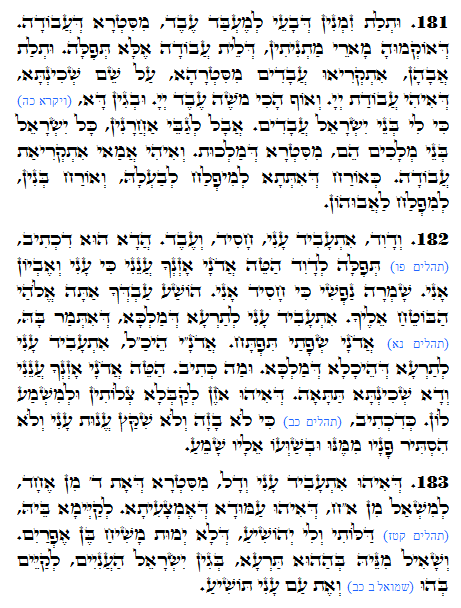
Holy Zohar text. Daily Zohar -1135
Hebrew translation:

181. וְשָׁלֹשׁ פְּעָמִים שֶׁעֶבֶד צָרִיךְ לַעֲשׂוֹת מִצַּד הָעֲבוֹדָה, שֶׁפֵּרְשׁוּהָ בַּעֲלֵי הַמִּשְׁנָה שֶׁאֵין עֲבוֹדָה אֶלָּא תְּפִלָּה, וּשְׁלֹשָׁה אָבוֹת נִקְרְאוּ עֲבָדִים מִצִּדָּהּ, עַל שֵׁם הַשְּׁכִינָה, שֶׁהִיא עֲבוֹדַת ה’. וְגַם כָּךְ מֹשֶׁה עֶבֶד ה’. וְלָכֵן (ויקרא כה) כִּי לִי בְנֵי יִשְׂרָאֵל עֲבָדִים. אֲבָל לְגַבֵּי אֲחֵרִים – כָּל יִשְׂרָאֵל בְּנֵי מְלָכִים הֵם, מִצַּד הַמַּלְכוּת. וְהִיא לָמָּה נִקְרֵאת עֲבוֹדָה? כְּדֶרֶךְ אִשָּׁה לַעֲבֹד לְבַעְלָהּ, וְדֶרֶךְ בָּנִים לַעֲבֹד אֶת אֲבִיהֶם.
182. וְדָוִד נַעֲשָׂה עָנִי, חָסִיד וְעֶבֶד. זֶהוּ שֶׁכָּתוּב, (תהלים פו) תְּפִלָּה לְדָוִד הַטֵּה אֲדֹנָי אָזְנְךָ עֲנֵנִי כִּי עָנִי וְאֶבְיוֹן אָנִי. שָׁמְרָה נַפְשִׁי כִּי חָסִיד אָנִי. הוֹשַׁע עַבְדְּךָ אַתָּה אֱלֹהַי הַבּוֹטֵחַ אֵלֶיךָ. נַעֲשָׂה עָנִי לְשַׁעַר הַמֶּלֶךְ, שֶׁנֶּאֱמַר בָּהּ (שם נא) אֲדֹנָי שְׂפָתַי תִּפְתָּח. אֲדֹנָ”י הֵיכָ”ל, נַעֲשָׂה עָנִי לְשַׁעַר הַמֶּלֶךְ. וּמַה כָּתוּב? הַטֵּה אֲדֹנָי אָזְנְךָ עֲנֵנִי, וְזוֹהִי שְׁכִינָה תַחְתּוֹנָה, שֶׁהִיא אֹזֶן לְקַבֵּל תְּפִלּוֹת וְלִשְׁמֹעַ אוֹתָן, כְּמוֹ שֶׁכָּתוּב (שם כב) כִּי לֹא בָזָה וְלֹא שִׁקַּץ עֱנוּת עָנִי וְלֹא הִסְתִּיר פָּנָיו מִמֶּנּוּ וּבְשַׁוְּעוֹ אֵלָיו שָׁמֵעַ.
183. שֶׁהוּא נַעֲשָׂה עָנִי וָדַל מִצַּד אוֹת ד’ מִן אֶחָד, לִשְׁאֹל מִן א”ח, שֶׁהוּא עַמּוּד הָאֶמְצָעִי, לְקַיֵּם בּוֹ (שם קטז) דַּלּוֹתִי וְלִי יְהוֹשִׁיעַ, שֶׁלֹּא יָמוּת מָשִׁיחַ בֶּן אֶפְרַיִם. וְשָׁאַל מִמֶּנּוּ בְּאוֹתוֹ הַשַּׁעַר בִּשְׁבִיל יִשְׂרָאֵל הָעֲנִיִּים, לְקַיֵּם בָּהֶם (שמואל-ב כב) וְאֶת עַם עָנִי תּוֹשִׁיעַ.


Pinchas 181-183

Malchut is the tenth Sefira and this name literally means ‘Kingdom’.

Exodus 19:6 “וְאַתֶּם תִּהְיוּ-לִי מַמְלֶכֶת כֹּהֲנִים, וְגוֹי קָדוֹשׁ ”
“and ye shall be unto Me a kingdom of priests, and a holy nation ”

Even though Malchut doesn’t have light of its own we are considered sons of ‘Kings’ and a kingdom of priests.

Leviticus 25:55
“כִּי-לִי בְנֵי-יִשְׂרָאֵל, עֲבָדִים–עֲבָדַי הֵם, אֲשֶׁר-הוֹצֵאתִי אוֹתָם מֵאֶרֶץ מִצְרָיִם: אֲנִי, יְהוָה אֱלֹהֵיכֶם”
“For unto Me the children of Israel are slaves; they are My slaves whom I brought forth out of the land of Egypt: I am YHVH your God.”

This verse seems to contradict with the previous one, but there are secrets concealed in both.

The word for slave עבד is also the root word for all aspects of work. The word for work in Hebrew is עבודה and we see the root, עבד, slave, and וה VH that represents Zeir Anpin and Malchut in the name of God, YHVH. Our work is to unify Zeir Anpin and Malchut in all of our actions.
When we do the ‘slave’ work we receive the light and in Malchut we become sons of the King. Our connections and actions allow us entry to the ‘palace’ of the King receiving from his treasures that are pure Light.

Psalms 86:1
“ תְּפִלָּה, לְדָוִד: הַטֵּה-יְהוָה אָזְנְךָ עֲנֵנִי– כִּי-עָנִי וְאֶבְיוֹן אָנִי.”
“A Prayer of David. Incline Thine ear, YHVH, and answer me; for I am poor and needy.”

The Zohar brings again the verse from Psalms 86:2 that we studied before
“שָׁמְרָה נַפְשִׁי, כִּי-חָסִיד אָנִי:
הוֹשַׁע עַבְדְּךָ, אַתָּה אֱלֹהַי– הַבּוֹטֵחַ אֵלֶיךָ. ”
“Keep my soul, for I am (אָנִי) godly (Chassid);O my God, save your slave (עבד) that his trust is in you. ”

King David is the Aspect of Malchut and as a king, he knew how to lower himself as a slave and poor in order to receive the Light. In Malchut we have to come to the King as empty vessel and great desire to be able to receive his treasures.

Psalms 86:1
“ תְּפִלָּה, לְדָוִד: הַטֵּה-יְהוָה אָזְנְךָ עֲנֵנִי– כִּי-עָנִי וְאֶבְיוֹן אָנִי.”
“A Prayer of David. Incline Thine ear, YHVH, and answer me; for I am poor and needy.”

Only then we can expect to be redeem.
2 Samuel 22:28
“ וְאֶת-עַם עָנִי, תּוֹשִׁיעַ; וְעֵינֶיךָ עַל-רָמִים, תַּשְׁפִּיל”
“You will save the afflicted (poor) people, But your eyes are on the haughty, that you may bring them down”

{||}

This entry was posted in Daily Zohar, Main and tagged , , , , , , , , , . Bookmark the permalink.

8 Responses to Daily Zohar # 1135 – A slave who is a son of the King

  1. avatar Reuven says:

    I just saw an episode of supernatural where they had a speaking gholum. In Jewish tradition are gholums able to speak?

    • avatar Zion Nefesh says:

      The famous Golem was created bases on the book of Formation. With the proper method of harnessing spiritual tools we can create anything we want in the physical level using the basic natural elements. (Periodic table of elements). One thing we can not do it to bring new soul to life. To create human being we need a soul and a tikkun process. That human will be able to talk. A golem is a human shape but no soul. It can make sounds but no intelligence.
      Rabbi Shimon and other great ‘Tanaim’ (Spiritual people with ability to use spiritual forces) could restore a soul to a dead body but not creating a new one.

      Please do not believe or follow the imagination of a movie producer/director especially when it comes to such subjects.

  2. avatar Lea says:

    Shalom Zion,
    yes, it is only possible to fill out a vessel if it is in a condition to be filled meaning empty, and the same is true whether talking about spirituality.

    Those who are too proud about themselves are as filled vessels and cannot accept to be as a servant to the King -- The Endless.
    No matter how much Light they receive, they still suffer from endless lack. They live in exile and redemption can be a very difficult concept for them.

    Thank you and Chodesh tov to all -- Adar/Pisces

    • avatar Lea says:

      I just read your article on this week’s parashah Terumah at rabbishimon.com where you do a nice and timely parallel between the words תרומה / Terumah / Donation and תמורה / Temurah / Reward.
      Being understood that nowadays the last letter H of YHVH -- which represents Malchut -- is fallen into exile on account of the excessive desire of people to receive only for themselves, with nothing to share.

      We learn then that any תרומה / Terumah / Donation offered to others, whether spiritual or material (especially those that are, in a way or another, difficult for us to do…) serves to lift the last letter H of YHVH -- Malchut. The great תמורה / Temurah / Reward, at the end of the story, goes to whom donated that תרומה / Terumah / Donation.

      Thanks again,

  3. avatar Sarah says:

    Hola Zion

    Hace unos momentos me hija me comento que la semana pasada contesto una petición que estaban haciendo para traducir del ingles al español, pero aun no le han dado respuesta. Ella desea y quiere ser voluntaria, ya que tiene la conciencia de compartir. Si usted lo desea puede escribirle a —-

    Gracias por toda la Luz y bendiciones que a través de su esfuerzo, entrega y trabajo traen a nuestras vidas.

    Sarah

  4. avatar Rajel Alonso says:

    ZION: Igualmente envié un mail para contribuir si puedo ayudar, a la traducción de los textos del Zohar… Thanks a lot!!!

  5. avatar Judith says:

    Serve the LORD, our God!
    Be humble and grateful for the Light!
    Thank you for today’s lesson!


Comments policy:

You may only post comments that are not negative in nature. No evil speech, hatred, disrespect or criticism of individuals or groups.
If we focus on negativity, it will grow. If we focus on the Light and positiveness, we can remove darkness from the world. So, we say yes to questions about the article; yes to discussions about Zohar study; and yes to questions about kabbalistic wisdom. If it comes with the desire to share, learn and grow spiritually, it is welcome with Love.
All comments are held for approval.

Leave a Reply

Your email address will not be published. Required fields are marked *

You may use these HTML tags and attributes: <a href="" title=""> <abbr title=""> <acronym title=""> <b> <blockquote cite=""> <cite> <code> <del datetime=""> <em> <i> <q cite=""> <strike> <strong>

Subscribe without commenting