
 Previous: Vayechi
Daily Zohar # 5041 – Vayechi – They shall inherit the land
Daily Zohar 5041
Hebrew translation:
194. שָׁנִינוּ, אָמַר רַבִּי יְהוּדָה, אֵין לְךָ חֵטְא בָּעוֹלָם שֶׁאֵין לוֹ תְּשׁוּבָה פְּרָט לָזֶה, וְאֵין לְךָ רָשָׁע שֶׁלֹּא רוֹאֶה פְּנֵי שְׁכִינָה פְּרָט לָזֶה, שֶׁכָּתוּב לֹא יְגֻרְךָ רָע, כְּלַל. אָמַר רַבִּי יִצְחָק, אַשְׁרֵי הַצַּדִּיקִים בָּעוֹלָם הַזֶּה וּבָעוֹלָם הַבָּא, עֲלֵיהֶם כָּתוּב (ישעיה ס) וְעַמֵּךְ כֻּלָּם צַדִּיקִים לְעוֹלָם יִירְשׁוּ אָרֶץ. מַה זֶּה לְעוֹלָם יִירְשׁוּ אָרֶץ? אָמַר רַבִּי יְהוּדָה, כְּמוֹ שֶׁכָּתוּב (תהלים קטז) אֶתְהַלֵּךְ לִפְנֵי ה’ בְּאַרְצוֹת הַחַיִּים.
.
Zohar Vayechi
Continued from previous DZ
#193
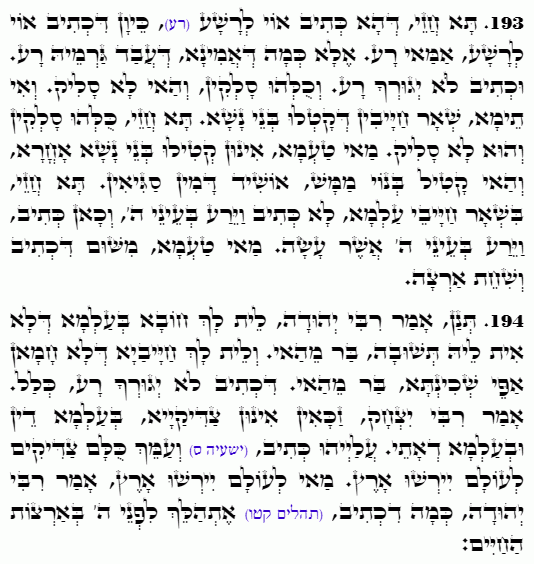
Come and see: For it is written “אוֹי לְרָשָׁע רָע”, “Woe to the wicked, it is evil” (Isaiah 3:11). Since it is written “woe to the wicked,” why does it need to say further “evil,” for wicked means evil?
Instead, it is as I said: he who makes himself evil, which is specifically one who wastes his seed in vain. And similarly “לֹא יְגֻרְךָ רָע”, “evil may not sojourn with You” (Psalms 5:5), as mentioned above.
And all of them ascend from Gehinnom, but this one does not ascend.
He asks: And if you say that other wicked ones who killed people will be better than him, that they will ascend and he will not ascend?
And he answers: Come and see: All ascend, and he does not ascend. The reason is that they killed other people, but this one killed his own children, truly, and shed much blood.
Come and see: In other wicked of the world it is not
written “וַיְהִי…רַע בְּעֵינֵי יְהוָה”, “was evil in the eyes of YHVH” (Genesis 38:7), but here it is written “רַע בְּעֵינֵי יְהוָה אֲשֶׁר עָשָׂה”, “evil in the eyes of YHVH which he did” (Genesis 38:10). What is the reason? Because it is written “וְשִׁחֵ֣ת אַ֔רְצָה”, “and he spilled on the ground” (Genesis 38:9).
#194
We have learned, Rabbi Yehuda said: There is no sin in the world for which there is no repentance except this one, one who wastes his seed in vain. And there are no wicked ones who do not see the face of the Shekhinah at their death except this one, about whom it is written: “לֹא יְגֻרְךָ רָע”, “evil may not sojourn with You” (Psalms 5:5), at all.
Rabbi Yitzchak said: Happy are the righteous in this world and in the world to come. About them it is written: “וְעַמְּךָ כֻּלָּם צַדִּיקִים לְעוֹלָם יִירְשׁוּ אָרֶץ”, “And Your people are all righteous; they shall inherit the land forever” (Isaiah 60:21). He asks: What is “לְעוֹלָם יִירְשׁוּ אָרֶץ”, “forever they shall inherit the land”?
Rabbi Yehuda said: It is like what is
written: “אֶתְהַלֵּךְ לִפְנֵי יְהוָה בְּאַרְצוֹת הַחַיִּים”, “I will walk before YHVH in the lands of the living” (Psalms 116:9). Its meaning is the Shekhinah, which is called land (אָרֶץ). So too the land here means the Shekhinah.
{||}

 Join Zohar Sparks - Telegram (Not a chat group)
 Join on WhatsApp (Not a chat group)
 Join on Signal (Chat is available only in this group)