
 Previous: Vayikra
Daily Zohar # 5113 – Vayikra – A Tzadik negotiate for the world
Daily Zohar 5113
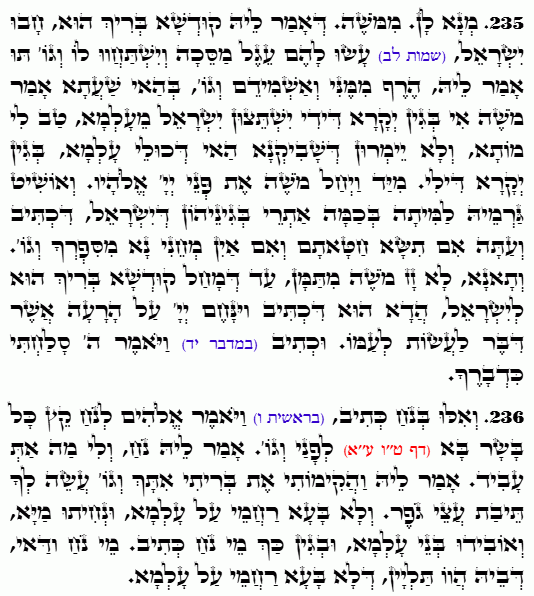
Hebrew translation:
236. וְאִלּוּ בְּנֹחַ כָּתוּב, וַיֹּאמֶר אֱלֹהִים לְנֹחַ קֵץ כָּל בָּשָׂר בָּא לְפָנַי וְגוֹ’. אָמַר לוֹ נֹחַ, וְלִי מָה אַתָּה עוֹשֶׂה? אָמַר לוֹ, וַהֲקִמֹתִי אֶת בְּרִיתִי אִתָּךְ וְגוֹ’ עֲשֵׂה לְךָ תֵּבַת עֲצֵי גֹפֶר. וְלֹא בִקֵּשׁ רַחֲמִים עַל הָעוֹלָם, וְיָרְדוּ הַמַּיִם וְהֶאֱבִידוּ אֶת בְּנֵי הָעוֹלָם. וּמִשּׁוּם כָּךְ כָּתוּב מֵי נֹחַ. מֵי נֹחַ וַדַּאי, שֶׁבּוֹ הֵם הָיוּ תְלוּיִים, שֶׁלֹּא בִקֵּשׁ רַחֲמִים עַל הָעוֹלָם.
.
Zohar Vayikra
Continued from previous DZ
#235
From where do we know this? From Moshe, when the Holy One, blessed be He, said to him: “חָטָא עַמְּךָ עָשׂוּ לָהֶם עֵגֶל מַסֵּכָה וַיִּשְׁתַּחֲווּ לוֹ” “Your people have sinned, they have made themselves a molten calf and bowed down to it” etc. (Exodus 32:8). He further said to him: “הֶרֶף מִמֶּנִּי וְאַשְׁמִידֵם” “Let Me alone, that I may destroy them” etc. (Exodus 32:10). At that hour Moshe said: If because of my honor Israel will be consumed from the world, death is better for me, and they will not say that I abandoned this people — all the world — because of my honor. Immediately: “וַיְחַל מֹשֶׁה אֶת פְּנֵי יְהוָה אֱלֹהָיו” “And Moshe entreated the face of YHVH his God” (Exodus 32:11). And he offered himself to death in several places for the sake of Israel, as it is written: “וְעַתָּה אִם תִּשָּׂא חַטָּאתָם וְאִם אַיִן מְחֵנִי נָא מִסִּפְרְךָ אֲשֶׁר כָּתָבְתָּ” “Now, if You will forgive their sin — but if not, please blot me out of Your book that You have written” (Exodus 32:32).
And we have learned that Moshe did not cease from there until the Holy One, blessed be He, forgave Israel. This is what it says: “וַיִּנָּחֶם יְהוָה עַל הָרָעָה אֲשֶׁר דִּבֶּר לַעֲשׂוֹת לְעַמּוֹ” “And YHVH relented concerning the evil that He had spoken to do to His people” (Exodus 32:14). And it is written: “וַיֹּאמֶר יְהוָה סָלַחְתִּי כִּדְבָרֶךָ” “And YHVH said: I have forgiven, according to your word” (Numbers 14:20).
Notes:
When Hashem proposed to destroy Israel and make Moshe a great nation, Moshe refused personal honor or survival at the cost of the people, declaring death preferable to abandoning Israel for his own sake. Moshe persisted in prayer until forgiveness was granted (“סָלַחְתִּי כִּדְבָרֶךָ”), demonstrating that the tzaddik abandons self-interest, defends the collective merit, and arouses supreme mercy to avert judgments and redeem the generation. This act of self-sacrifice transformed potential destruction into life and forgiveness for all Israel, exemplifying how the tzaddik’s advocacy sustains the world through love and advocacy before Hashem.
#236
And behold, concerning Noah it is written: “וַיֹּאמֶר אֱלֹהִים לְנֹחַ קֵץ כָּל בָּשָׂר בָּא לְפָנַי” “And God said to Noah: The end of all flesh has come before Me” etc. (Genesis 6:13). Noah said to Him: And what will You do to me? He said to him: “וַהֲקִמֹתִי אֶת בְּרִיתִי אִתָּךְ” “And I will establish My covenant with you” etc. “עֲשֵׂה לְךָ תֵּבַת עֲצֵי גֹפֶר” “Make yourself an ark of gopher wood” (Genesis 6:14). He did not request mercy for the world, and the waters descended and destroyed the people of the world. And because of this, “waters of Noah” is written — waters of Noah certainly, for they were dependent upon him, because he did not request mercy for the world.
Notes:
The Zohar contrasts Noah with the archetype of the true tzaddik (as exemplified by Moshe). When Hashem announced the impending flood and destruction of “all flesh,” Noah inquired only about his own fate (“And what will You do to me?”) and accepted the personal covenant and command to build the ark. Unlike Moshe, who immediately interceded and offered his own life for Israel, Noah did not plead for mercy on behalf of the generation. As a result, the flood waters are called “מי נח” (“waters of Noah”) — tied directly to him — because the catastrophe depended on his failure to arouse compassion and stand in the gap. This teaches that the true tzaddik does not seek personal salvation when the world is in peril; he sacrifices self-interest to defend the collective, sweetening judgments through negotiation. Noah’s merit saved his household and preserved life through the ark. Still, his silence regarding the broader world allowed unchecked judgment to prevail, underscoring the tzaddik’s responsibility to advocate for all creation.
{||}

 Join Zohar Sparks - Telegram (Not a chat group)
 Join on WhatsApp (Not a chat group)
 Join on Signal (Chat is available only in this group)