
 Previous: Beshalach
Daily Zohar # 5064 – Beshalach – Don’t harden your heart
Daily Zohar 5064
Hebrew translation:
202. מִכָּאן לָמַדְנוּ זֶה, שֶׁבַּחֲמֵשׁ הָאֶצְבָּעוֹת הָרִאשׁוֹנוֹת כָּתוּב וַיֶּחֱזַק לֵב פַּרְעֹה. כֵּיוָן שֶׁנִּשְׁלְמוּ אוֹתָן חָמֵשׁ, שׁוּב לֹא הָיָה דָּבָר בִּרְשׁוּת פַּרְעֹה, וְאָז כָּתוּב וַיְחַזֵּק ה’ אֶת לֵב פַּרְעֹה.
203. וְעַל זֶה וַיַּרְא יִשְׂרָאֵל אֶת הַיָּד הַגְּדֹלָה וְגוֹ’, וַיַּאֲמִינוּ בַּה’. וְכִי עַד עַכְשָׁו לֹא הֶאֱמִינוּ בַּה’, וַהֲרֵי כָּתוּב (שמות ד) וַיַּאֲמֵן הָעָם וַיִּשְׁמְעוּ וְגוֹ’? וַהֲרֵי רָאוּ כָּל אוֹתָם גְּבוּרוֹת שֶׁעָשָׂה לָהֶם הַקָּדוֹשׁ בָּרוּךְ הוּא בְּמִצְרַיִם. אֶלָּא מַה זֶּה וַיַּאֲמִינוּ? אוֹתוֹ הַדָּבָר שֶׁאָמַר, וַיֹּאמֶר מֹשֶׁה אֶל הָעָם אַל תִּירָאוּ הִתְיַצְּבוּ וּרְאוּ וְגוֹ’.
.
Zohar Beshalach
Continued from previous DZ
#201
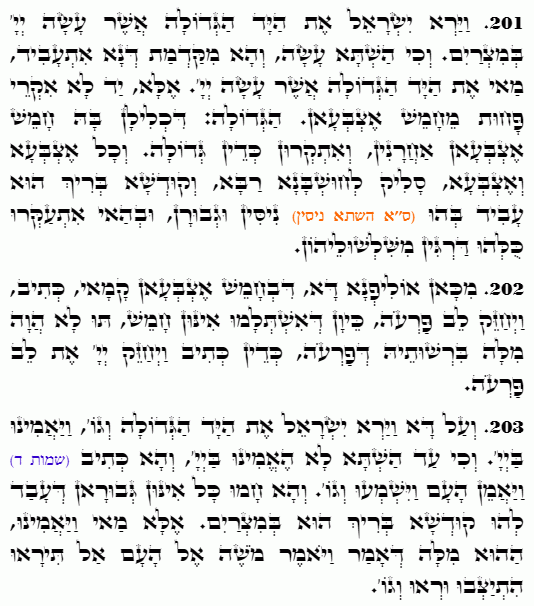
“וַיַּרְא יִשְׂרָאֵל אֶת הַיָּד הַגְּדֹלָה אֲשֶׁר עָשָׂה יְהוָה בְּמִצְרַיִם”— “And Israel saw the great hand that YHVH did in Egypt” (Exodus 14:31). He asks: But now He did it? But it was done before that. What is “the great hand that YHVH did”?
And he answers: Rather, a hand is not called “יד” “hand” unless it has five fingers. The “הַגְּדֹלָה” great one — that is, it includes in it another five fingers from the left hand. And then it is called great.
For the aspect of the three upper sefirot (ג”ר) takes the right hand through inclusion in the left line. And every finger and finger rises to a great account, and the Holy One, blessed be He, performs miracles and mighty acts with them. And with this, all the levels were uprooted from their chain.
Notes:
The great hand (הַיָּד הַגְּדֹלָה) is the right hand, including the left (ten fingers), with the upper three sefirot drawing power through inclusion, uprooting Egypt’s levels and performing miracles.
#202
From here we learn: In the first five fingers — that is, the first five plagues — it is written “וַיֶּחֱזַק לֵב פַּרְעֹה”— “And Pharaoh’s heart was hardened” (Exodus 7:13, etc.).
Once these five fingers were completed — the left hand — there was no longer anything in Pharaoh’s power to harden his heart. Then it is written: “וַיֶּחֱזַק יְהוָה אֶת לֵב פַּרְעֹה”— “And YHVH hardened the heart of Pharaoh” (Exodus 9:12, etc.).
Notes:
The first five plagues correspond to the left hand (five fingers), where Pharaoh himself hardened his heart (וַיֶּחֱזַק לֵב פַּרְעֹה). After these, his free will was exhausted, and God directly hardened it (וַיֶּחֱזַק יְהוָה), showing the transition from human stubbornness to divine judgment.
The Zohar reveals a deep lesson about free will, mercy, and Tikkun through the story of Pharaoh. In the early stages, Hashem granted Pharaoh complete freedom to choose differently, as expressed in the verse “וַיֶּחֱזַק לֵב פַּרְעֹה” — Pharaoh himself hardened his heart. These initial plagues were warnings clothed in mercy, giving him repeated opportunities to release Israel and correct his path willingly. *Had Pharaoh ceased his resistance and humbled himself before the fifth plague, the process would not have escalated, and the ultimate blow — the killing of the firstborn, which stripped him of his power, continuity, and dominion — would never have been enacted.
But when those openings for teshuvah were rejected, the dynamic changed to “וַיֶּחֱזַק יְהוָה אֶת לֵב פַּרְעֹה.” At that point, free will was narrowed, and divine judgment took over to complete the necessary Tikkun. This teaches us a timeless and personal message: Hashem always prefers that we awaken through awareness, humility, and voluntary return. If we delay and ignore the signs, teshuvah may still come — but in a harsher, more painful form. The wisdom of Torah urges us to wake up early, soften our hearts, and choose correction while it is still in our hands, before Heaven must force the lesson upon us.
* I heard that point in an online lecture from a rabbi (I forgot who, may Hashem forgive me for not remembering his name), but the point he brought is too important to skip.
#203
“וַיַּרְא יִשְׂרָאֵל אֶת הַיָּד הַגְּדֹלָה אֲשֶׁר עָשָׂה יְהוָה בְּמִצְרַיִם וַיִּירְאוּ הָעָם אֶת יְהוָה וַיַּאֲמִינוּ בַּיהוָה וּבְמֹשֶׁה עַבְדּוֹ”— “And Israel saw the great hand that YHVH did in Egypt, and the people feared YHVH and believed in YHVH and in Moses His servant” (Exodus 14:31).
He asks: But did they not believe in YHVH until now? And behold it is written: “וַיַּאֲמֵן הָעָם וַיִּשְׁמָעוּ”— “And the people believed, and they heard” (Exodus 4:31), and behold they saw all the mighty acts that the Holy One, blessed be He, did for them in Egypt.
And he answers: Rather, what is וַיַּאֲמִינוּ — “and they believed”? They believed in that thing that He said: “וַיֹּאמֶר מֹשֶׁה אֶל הָעָם אַל תִּירָאוּ הִתְיַצְּבוּ וּרְאוּ אֶת יְשׁוּעַת יְהוָה”— “And Moses said to the people, Do not fear, stand still and see the salvation of YHVH” (Exodus 14:13).
Notes:
Earlier belief (וַיַּאֲמֵן, Exodus 4:31) existed, but the new faith (וַיַּאֲמִינוּ) is in Moses’ promise of salvation (הִתְיַצְּבוּ וּרְאוּ אֶת יְשׁוּעַת יְהוָה, Exodus 14:13) — a deeper trust in God’s deliverance at the sea.
{||}

 Join Zohar Sparks - Telegram (Not a chat group)
 Join on WhatsApp (Not a chat group)
 Join on Signal (Chat is available only in this group)