
 Previous: Vayikra
Daily Zohar # 5209 – Vayikra – The splendid tree
Daily Zohar 5209
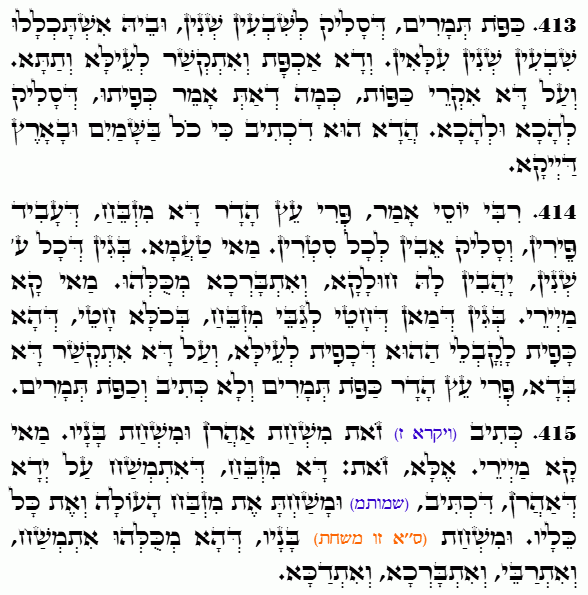
Hebrew translation:
414. רַבִּי יוֹסֵי אָמַר, פְּרִי עֵץ הָדָר – זֶה מִזְבֵּחַ, שֶׁעוֹשֶׂה פֵרוֹת, וּמַעֲלֶה נִצָּנִים לְכָל הַצְּדָדִים. מָה הַטַּעַם? מִשּׁוּם שֶׁכָּל שִׁבְעִים הַשָּׁנִים נוֹתְנִים לָהּ חֵלֶק, וְהִיא מִתְבָּרֶכֶת מִכֻּלָּם. מַה זֶּה אוֹמֵר? מִשּׁוּם שֶׁמִּי שֶׁחוֹטֵא אֶל הַמִּזְבֵּחַ, הוּא חוֹטֵא בַּכֹּל, שֶׁהֲרֵי כָּפוּת כְּנֶגֶד אוֹתוֹ שֶׁכָּפוּת לְמַעְלָה, וְלָכֵן נִקְשְׁרוּ זֶה עִם זֶה, פְּרִי עֵץ הָדָר כַּפֹּת תְּמָרִים, וְלֹא כָתוּב וְכַפֹּת תְּמָרִים.
415. כָּתוּב (ויקרא ז) זֹאת מִשְׁחַת אַהֲרֹן וּמִשְׁחַת בָּנָיו. מַה זֶּה אוֹמֵר? אֶלָּא זֹאת – זֶה מִזְבֵּחַ, שֶׁנִּמְשַׁח עַל יַד אַהֲרֹן, שֶׁכָּתוּב וּמָשַׁחְתָּ אֶת מִזְבַּח הָעֹלָה וְאֶת כָּל כֵּלָיו. וּמִשְׁחַת (זוֹ מִשְׁחַת) בָּנָיו, שֶׁהֲרֵי נִמְשַׁח מִכֻּלָּם, וּמִתְגַּדֵּל וּמִתְבָּרֵךְ וּמִטַּהֵר.
.
Zohar Vayikra
Continued from previous DZ
#413
“כַּפֹּת תְּמָרִים” “branches of palm trees” (Leviticus 23:40): The palm tree rises for seventy years, which hints at Yessod of Zeir Anpin, in which the seventy upper years are completed. This is the secret of the seven sefirot Chessed-Gevurah-Tiferet-Netzach-Hod-Yessod-Malchut, each one including ten, and they are seventy. And this is “כַּפֹּת ” “kappot,” that is, that it is bound, above to Zeir Anpin and below to Malchut. And therefore it is called “kappot,” as it is said “כָּפוּת” “kafut,” which means that they were bound, for Yessod rises to this side and to that side, to Zeir Anpin and to Malchut. This is what it says, “כִּי כֹל בַּשָּׁמַיִם וּבָאָרֶץ” “for all that is in heaven and on earth” (1 Chronicles 29:11). This is exact. The meaning is that Yessod is called “כל” “all,” and it is bound in heaven, which is Zeir Anpin, and in earth, which is Malchut.
Notes:
The palm branches allude to Yessod, which connects Zeir Anpin (heaven) and Malchut (earth). The seventy years represent the seven sefirot, each containing ten aspects, unified through Yessod.
#414
Rabbi Yossi said, “פְּרִי עֵץ הָדָר” “fruit of a splendid tree” (Leviticus 23:40) — this is the altar, which is Malchut, that makes fruits and sends out branches to all sides. What is the reason it is called “fruit of a splendid tree.” Because all seventy years, that is, the seven sefirot Chessed-Gevurah-Tiferet-Netzach-Hod-Yessod-Malchut of Zeir Anpin, each one including ten, which are seventy, give her a portion, and she, Malchut, is blessed from all of them. And Zeir Anpin is called the splendid tree. What does this teach us. It is that whoever sins and damages the altar, which is Malchut, sins and damages all seven sefirot of Zeir Anpin, because Malchut is connected opposite that which is bound and connected above, which is Yessod of Zeir Anpin. And therefore they are bound one with the other, Malchut with the seven sefirot of Zeir Anpin. And therefore it is written “fruit of a splendid tree, branches of palm trees,” to show that they are bound one with the other. And it is not written, “and branches of palm trees,” for the vav would have separated between “fruit of a splendid tree,” which is Malchut, and the palm branches, which are Yessod. And Rabbi Yossi does not disagree with Rabbi Yehuda, but the order of their explanations of the verses differs.
Notes:
Rabbi Yossi identifies the etrog with the altar (Malchut). Malchut receives and is blessed from all seventy aspects of Zeir Anpin’s sefirot. Sinning against Malchut therefore damages the entire structure of Zeir Anpin because they are intimately bound through Yessod. The lack of a separating “and” in the verse shows this unity.
#415
It is written, “זֹאת מִשְׁחַת אַהֲרֹן וּמִשְׁחַת בָּנָיו” “This is the anointing of Aaron and the anointing of his sons” (Leviticus 7:35). What does this teach us. Rather, “זֹאת” “this” — this is the altar, which is Malchut, that was anointed by Aaron, who is Chessed of Zeir Anpin, as it is written “וּמָשַׁחְתָּ אֶת מִזְבַּח הָעֹלָה וְאֶת כָּל כֵּלָיו” “and you shall anoint the altar of burnt offering and all its vessels” (Exodus 40:9-10). “And the anointing of his sons” — they are the rest of the sefirot of Zeir Anpin that emanate from Chessed. For the altar, which is Malchut, is anointed from all of them, and is made great, and is blessed, and is purified.
Notes:
The verse about the anointing of Aaron and his sons alludes to the way Malchut (the altar) receives anointing and blessing from Chessed (Aaron) and from all the other sefirot of Zeir Anpin that flow from it. This elevates, blesses, and purifies Malchut.
{||}

 Join Zohar Sparks - Telegram (Not a chat group)
 Join on WhatsApp (Not a chat group)
 Join on Signal (Chat is available only in this group)