
 Previous: Shemot
Daily Zohar # 5046 – Shemot – The secret of Vanity of vanities, said Kohelet
Daily Zohar 5046
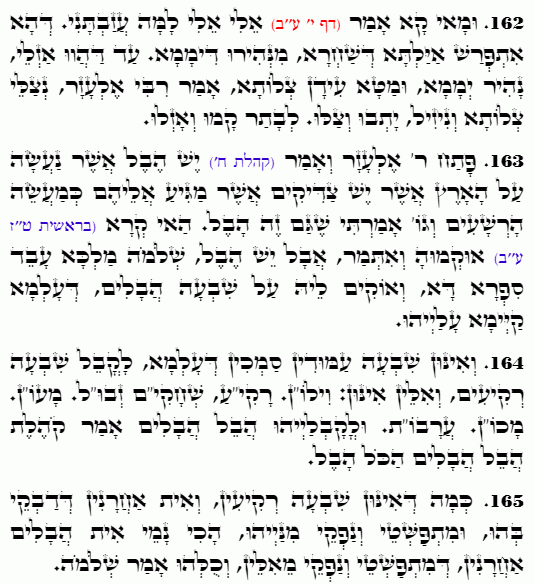
Hebrew translation:
163. פָּתַח רַבִּי אֶלְעָזָר וְאָמַר, (קהלת ח) יֶשׁ הֶבֶל אֲשֶׁר נַעֲשָׂה עַל הָאָרֶץ אֲשֶׁר יֵשׁ צַדִּיקִים אֲשֶׁר מַגִּיעַ אֲלֵהֶם כְּמַעֲשֵׂה הָרְשָׁעִים וְגוֹ’ אָמַרְתִּי שֶׁגַּם זֶה הָבֶל. פָּסוּק זֶה פֵּרְשׁוּהוּ וְנִתְבָּאֵר, אֲבָל יֵשׁ הֶבֶל, שְׁלֹמֹה הַמֶּלֶךְ עָשָׂה סֵפֶר זֶה וְהֵקִים אוֹתוֹ עַל שִׁבְעָה הֲבָלִים שֶׁהָעוֹלָם עוֹמֵד עֲלֵיהֶם.
164. וְהֵם שִׁבְעָה עַמּוּדִים תּוֹמְכִים שֶׁל הָעוֹלָם כְּנֶגֶד שִׁבְעָה רְקִיעִים, וְאֵלּוּ הֵם: וִילוֹ”ן. רָקִי”עַ. שְׁחָקִי”ם. זְבוּ”ל. מָעוֹ”ן. מָכוֹ”ן. עֲרָבוֹ”ת. וּכְנֶגְדָּם אָמַר קֹהֶלֶת הֲבֵל הֲבָלִים הַכֹּל הָבֶל.
165. כְּמוֹ שֶׁאוֹתָם שִׁבְעָה רְקִיעִים, וְיֵשׁ אֲחֵרִים שֶׁנִּדְבָּקִים בָּהֶם וּמִתְפַּשְּׁטִים וְיוֹצְאִים מֵהֶם, כָּךְ גַּם יֵשׁ הֲבָלִים אֲחֵרִים שֶׁמִּתְפַּשְּׁטִים וְיוֹצְאִים מֵאֵלֶּה, וְכֻלָּם אָמַר שְׁלֹמֹה.
.
Zohar Shemot
Continued from previous DZ
#162
And what did David say to her? “אֵלִי אֵלִי לָמָה עֲזַבְתָּנִי”, “My God, my God, why have You forsaken me?” (Psalms 22:2). For the dawn of the deer, which is the Nukva, was separated from the light of the day, which is Zeir Anpin. And therefore she had nothing to bestow then, and she left him.
While they were walking, the day dawned, and the time for prayer arrived.
Rabbi Elazar said: Let us pray the prayer and go. They sat and prayed. And afterward they rose and went.
Notes:
Rabbi Elazar and Rabbi Yossi were ‘walking’ the ways of the Torah and studying its paths of wisdom. When the time of ‘נץ’ ‘Netz’ (See #160) arrived, they immediately stopped to pray, then continued their studies.
#163
Rabbi Elazar opened and said: “יֵשׁ הֶבֶל אֲשֶׁר נַעֲשָׂה עַל הָאָרֶץ אֲשֶׁר יֵשׁ צַדִּיקִים”, “There is a vanity that is done on the earth, that there are righteous men” (Ecclesiastes 8:14), etc., “that this too is vanity.” This verse has been explained, but what is written “יֵשׁ הֶבֶל”, “there is a vanity” — it is that King Solomon made this book and founded it upon seven vanities, which are the seven sefirot of Zeir Anpin, which is the light of the spirit (ruach), and this is the secret or the seven sefirot of Ruach that are called vanities (הבלים, havalim). “אֲשֶׁר הָעוֹלָם”, “upon which the world,” which is the Nukva, stands. For this is the secret that she is sustained from the seven sefirot Chesed- Gevurah- Tiferet- Netzach- Hod- Yessod- Malchut of Zeir Anpin.
For the Nukva is the secret of speech (דיבור), and there is no speech without breath (הבל, hevel), which strikes upon the five exits of the mouth (אהח” ע גיכ” ק זסשר” ץ דטל” נת בומ” ף), as is known.
Notes:
The seven vanities (הבלים) in Solomon’s book, Ecclesiastes, refer to the seven sefirot of Zeir Anpin (ruach, breath). The Nukva (world, speech) is sustained by these seven, as speech requires breath striking the mouth’s five exits. This underscores the Nukva’s dependence on Zeir Anpin for existence and expression.
#164
And these seven vanities are called the seven pillars that support the world, which is the Nukva. And they are opposite the seven firmaments. Firmament is the secret of the parsa of Zeir Anpin, and it includes within it seven firmaments, opposite the seven sefirot Chessed- Gevurah- Tiferet- Netzach- Hod- Yessod- Malchut within the parsa. And these are: Vilon, Rakia, Shechakim, Zevul, Maon, Machon, Aravot.
And opposite them: “הֲבֵל הֲבָלִים אָמַר קֹהֶלֶת הֲבֵל הֲבָלִים הַכֹּל הָבֶל”, “Vanity of vanities, said Kohelet, vanity of vanities, all is vanity” (Ecclesiastes 1:2). For there are seven vanities here. For הֲבֵל הֲבָלִים are three, and again הֲבֵל הֲבָלִים are six, and the הָבֶל at the end of the verse makes seven.
Notes:
“הֲבֵל הֲבָלִים אָמַר קֹהֶלֶת, הֲבֵל הֲבָלִים הַכֹּל הָבֶל” (Ecclesiastes 1:2). Vanity (הֲבֵל, singular is one) Vanities (הֲבָלִים, plural is two). The verse has three singulars and two plurals to give us a total of seven. The seven “vanities” are the seven pillars (Chessed to Malchut) supporting the Nukva (world), opposite the seven firmaments within Zeir Anpin’s parsa. Counting the verse yields seven “hevel,” reflecting breath sustaining speech (expression, Nukva).
The seven firmament are וִילוֹ”ן. רָקִי”עַ. שְׁחָקִי”ם. זְבוּ”ל. מָעוֹ”ן. מָכוֹ”ן. עֲרָבוֹ”ת
#165
Just as these are seven firmaments, and there are other firmaments attached to them, extending and emerging from them, which are the seven firmaments in the Nukva — so too there are other vanities, that is, of the Nukva, that extend and emerge from these seven vanities of Zeir Anpin. And all of them Solomon said in his book Kohelet.
{||}

 Join Zohar Sparks - Telegram (Not a chat group)
 Join on WhatsApp (Not a chat group)
 Join on Signal (Chat is available only in this group)