
 Previous: Vayikra
Daily Zohar # 5120 – Vayikra – When the mother is joyful
Daily Zohar 5120
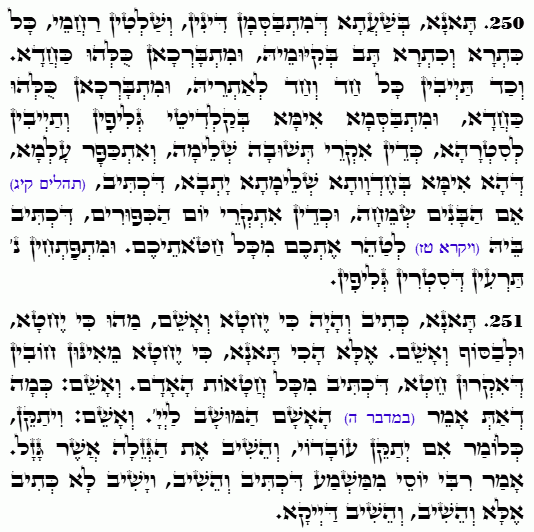
Hebrew translation:
251. שָׁנִינוּ, כָּתוּב וְהָיָה כִּי יֶחֱטָא וְאָשֵׁם, מַה זֶּה כִּי יֶחֱטָא, וּלְבַסּוֹף וְאָשֵׁם? אֶלָּא כָּךְ שָׁנִינוּ, כִּי יֶחֱטָא מֵאוֹתָם חֲטָאִים שֶׁנִּקְרְאוּ חֵטְא, שֶׁכָּתוּב מִכֹּל חַטֹּאת הָאָדָם. וְאָשֵׁם, כְּמוֹ שֶׁנֶּאֱמַר הָאָשָׁם הַמּוּשָׁב לַה’. וְאָשֵׁם, וִיתַקֵּן. כְּלוֹמַר, אִם יְתַקֵּן אֶת מַעֲשָׂיו, וְהֵשִׁיב אֶת הַגְּזֵלָה אֲשֶׁר גָּזָל. אָמַר רַבִּי יוֹסֵי, מִמַּשְׁמָע שֶׁכָּתוּב וְהֵשִׁיב, לֹא כָתוּב וְיָשִׁיב אֶלָּא וְהֵשִׁיב, וְהֵשִׁיב דַּוְקָא.
.
Zohar Vayikra
Continued from previous DZ
#250
We have learned: At the time when the judgments (dinim) are sweetened and mercy (rachamim) rules, every sefira returns to have a complete vessel, and they are all blessed together. And when each one returns to its place, and they are all blessed together, and Binah (Ima) is sweetened through the connection of the attributes that have returned to her aspect, then it is called complete teshuvah (repentance) and the world is atoned for. For Binah (Ima) sits in perfect joy, as it is written: “אֵם הַבָּנִים שִׂמְחָה” “A joyful mother of children” (Psalms 113:9). And then she is called Yom HaKippurim, as it is written concerning it: “לְטַהֵר אֶתְכֶם מִכֹּל חַטֹּאתֵיכֶם” “to purify you from all your sins” (Leviticus 16:30). And the fifty gates of the sides of Binah are opened.
#251
We have learned: It is written, “וְהָיָה כִי יֶחֱטָא וְאָשֵׁם” “And it shall be, when he sins and becomes guilty” (Leviticus 5:23, in context of guilt offering). What does it mean that at the beginning it says “כִי יֶחֱטָא” “when he sins,” and at the end it says “וְאָשֵׁם” “and becomes guilty”?
And he answers: Rather, thus we have learned. “כִי יֶחֱטָא” — that is, from those transgressions that are called “חטא” (sin), as it is written: “מִכֹּל חַטֹּאת הָאָדָם” “from all the sins of man” (Leviticus 16:16). “וְאָשֵׁם” is, as you say, “הָאָשָׁם הַמּוּשָׁב לַיהוָה” “the guilt offering that is restored to YHVH.” “אֲשֶׁר” and “וְאָשֵׁם” mean “and he shall make restitution/repair.” That is to say: “And it shall be, when he sins” — if he repairs his deeds, “וְהֵשִׁיב אֶת הַגְּזֵלָה אֲשֶׁר גָּזָל” “and he shall restore the stolen item that he stole.”
Rabbi Yosi said: This implies, from the fact that it is written “וְהֵשִׁיב” “and he shall restore,” which implies that he restores of his own accord, because he wants to repair his deeds. For it is not written “וְיָשִׁיב” (in the imperative/command form), but “וְהֵשִׁיב,” and “וְהֵשִׁיב” is precise — that is, of his own free will.
Notes:
When human actions below improve, dinim are sweetened, rachamim prevails, and every sefirah returns to its proper state. Ima (Binah) becomes sweetened, resulting in complete teshuvah and atonement for the world. She then sits in perfect joy and is called Yom HaKippurim, the day that opens the fifty gates of Binah for purification from all sins.
The verse “וְהָיָה כִי יֶחֱטָא וְאָשֵׁם” teaches that true repentance begins with the sin (“חטא”) but requires the person to make restitution of his own free will actively, not by external command. The use of “וְהֵשִׁיב” (he shall restore) rather than the imperative “וְיָשִׁיב” emphasizes voluntary self-correction. This voluntary return repairs the damage and allows the world to achieve full atonement through Binah’s fifty gates.
{||}

 Join Zohar Sparks - Telegram (Not a chat group)
 Join on WhatsApp (Not a chat group)
 Join on Signal (Chat is available only in this group)