
 Previous: Vayikra
Daily Zohar # 5124 – Vayikra – And he shall restore the stolen item
Daily Zohar 5124
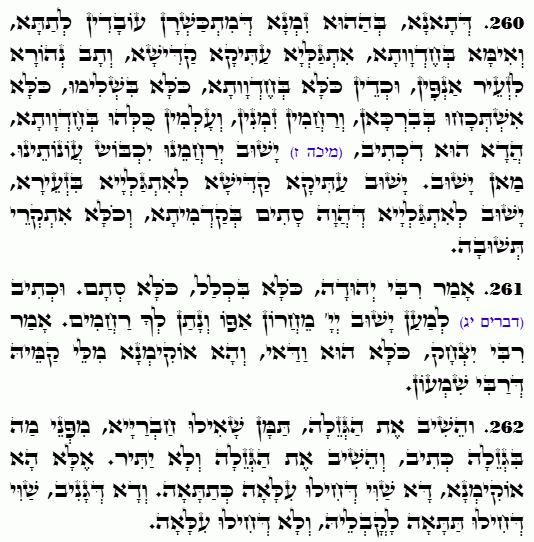
Hebrew translation:
261. אָמַר רַבִּי יְהוּדָה, הַכֹּל בִּכְלָל, הַכֹּל סְתָם. וְכָתוּב (דברים יג) לְמַעַן יָשׁוּב ה’ מֵחֲרוֹן אַפּוֹ וְנָתַן לְךָ רַחֲמִים. אָמַר רַבִּי יִצְחָק, הַכֹּל הוּא וַדַּאי, וַהֲרֵי בֵּאַרְנוּ אֶת הַדְּבָרִים לִפְנֵי רַבִּי שִׁמְעוֹן.
262. וְהֵשִׁיב אֶת הַגְּזֵלָה. שָׁם שָׁאֲלוּ הַחֲבֵרִים, מִפְּנֵי מָה בִּגְזֵלָה כָּתוּב וְהֵשִׁיב אֶת הַגְּזֵלָה, וְלֹא יוֹתֵר? אֶלָּא הֲרֵי בֵּאַרְנוּ, שֶׁזֶּה שָׂם יִרְאָה הָעֶלְיוֹנָה כְּמוֹ הַתַּחְתּוֹנָה, וְזֶה שֶׁגּוֹנֵב שָׂם אֶת הַיִּרְאָה הַתַּחְתּוֹנָה כְּנֶגְדּוֹ, וְלֹא הַיִּרְאָה הָעֶלְיוֹנָה.
.
Zohar Vayikra
Continued from previous DZ
#260
We have learned: At that time when the deeds are rectified below, and Ima is in joy, Atika Kadisha — which is Keter — is revealed, and the light returns to Zeir Anpin. And then everything is in joy, everything is in perfection, and blessings are found in all, and rachamim is prepared, and all the worlds are in joy. This is what is written: “יָשׁוּב יְרַחֲמֵנוּ יִכְבֹּשׁ עֲוֹנֹתֵינוּ” “He will return and have mercy upon us, He will subdue our iniquities” (Micah 7:19).
Who will return? That is, Atika Kadisha will return to be revealed in Zeir Anpin, for He will return to revelation from what was concealed at the beginning. And everything is called teshuvah, after the name of Atika Kadisha, who has returned to revelation.
#261
Rabbi Yehuda said: Everything is included in “ישוב” “yashuv” (He will return), just like Atika Kadisha. Everything is general, without distinction. And it is written: “לְמַעַן יָשׁוּב יְהוָה מֵחֲרוֹן אַפּוֹ וְנָתַן לְךָ רַחֲמִים” “So that YHVH may turn from the fierceness of His anger and show you mercy” (Deuteronomy 13:18).
Rabbi Yitzchak said: Everything is certainly included in teshuvah. And thus we established these matters before Rabbi Shimon.
Notes:
When human deeds are rectified below, and Ima (Binah) dwells in joy, Atika Kadisha (Keter) reveals Himself within Zeir Anpin, causing the light to return and bringing complete perfection, joy, and blessings to all worlds. This revelation of the highest concealed level is the inner essence of teshuvah. The verse “He will return and have mercy upon us” refers primarily to Atika Kadisha returning to revelation in Zeir Anpin.
Everything in creation is included in this general “yashuv” (return) — from the highest (Atika) to the lowest. The entire process of rectification, from the lowest level all the way up to the return of Atika Kadisha, is called teshuvah. This is the complete teshuvah that subdues iniquities and arouses supreme mercy for the world.
#262
“And he shall restore the stolen item” — The study friends asked there: Why, in the case of robbery (גזלן, gazlan), is it written “וְהֵשִׁיב אֶת הַגְּזֵלָה” “and he shall restore the stolen item” and nothing more, while in the case of theft (גנב, ganav) it is written that he shall pay double, or fourfold and fivefold?
And he answers: Rather, thus we have established. This robber has equated the supernal fear with the lower fear — the fear of man. That is to say, he fears neither the Holy One, blessed be He, nor people. But this thief has only the lower fear of human beings, and not the supernal fear. And it turns out that he has considered the fear of man more important than the fear of God.
Notes:
The Zohar explains the difference in the Torah’s penalties for robbery versus theft. The robber (gazlan) takes openly and brazenly, showing he has no fear of Heaven and equates the fear of God with the fear of man (or has none at all). The thief (ganav), however, steals secretly, indicating he still possesses some fear of people, even if he lacks fear of God. Because the robber’s sin demonstrates a more severe spiritual flaw — complete disregard for divine fear — the Torah requires only simple restitution. The thief, whose sin is less brazen, must pay double (or more) as a stronger deterrent and rectification. This teaches that the severity of the sin is measured not only by the act itself but also by the underlying attitude: fear of Heaven versus fear of man.
{||}

 Join Zohar Sparks - Telegram (Not a chat group)
 Join on WhatsApp (Not a chat group)
 Join on Signal (Chat is available only in this group)