
 Previous: Bo
Daily Zohar # 5060 – Bo – Matzah, the secret of faith
Daily Zohar 5060
Hebrew translation:
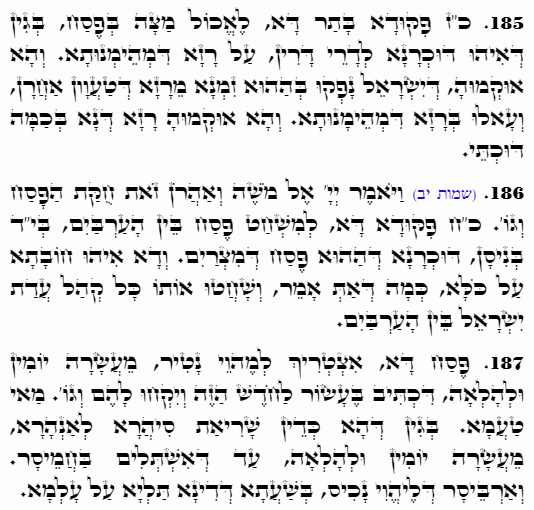
186. וַיֹּאמֶר ה’ אֶל מֹשֶׁה וְאַהֲרֹן זֹאת חֻקַּת הַפָּסַח וְגוֹ’. כ”ח – מִצְוָה זוֹ לִשְׁחֹט פֶּסַח בֵּין הָעַרְבַּיִם בְּי”ד בְּנִיסָן, זִכָּרוֹן לְאוֹתוֹ פֶּסַח מִצְרַיִם, וְזוֹהִי חוֹבָה עַל כֻּלָּם, כְּמוֹ שֶׁנֶּאֱמַר וְשָׁחֲטוּ אֹתוֹ כֹּל קְהַל עֲדַת יִשְׂרָאֵל בֵּין הָעַרְבָּיִם.
187. פֶּסַח זֶה צָרִיךְ לִהְיוֹת שָׁמוּר מֵעֲשָׂרָה יָמִים וָהָלְאָה, שֶׁכָּתוּב בֶּעָשֹׂר לַחֹדֶשׁ הַזֶּה וְיִקְחוּ לָהֶם וְגוֹ’. מָה הַטַּעַם? מִשּׁוּם שֶׁהֲרֵי אָז מַתְחִילָה הַלְּבָנָה לְהָאִיר מֵעֲשָׂרָה יָמִים וָהָלְאָה, עַד שֶׁנִּשְׁלֶמֶת בַּחֲמִשָּׁה עָשָׂר, וּבְאַרְבָּעָה עָשָׂר שֶׁיִּהְיֶה נִשְׁחָט בְּשָׁעָה שֶׁהַדִּין תָּלוּי עַל הָעוֹלָם.
.
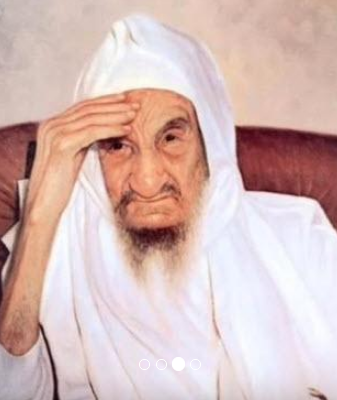 known as the holy Baba Sali זצ״ל.
Zohar Bo
Continued from previous DZ
#185
The commandment that follows this one is to eat matzah on Passover, because it is a memorial for generations regarding the secret of faith. And they have explained it: that Israel went out at that time from the secret of other gods and came into the secret of faith. And the secret of this has already been explained in several places.
Notes:
This Zohar explains the commandment to eat matzah (מַצָּה) during Passover as a perpetual memorial to the secret of faith (emunah). The Exodus represents Israel’s departure from foreign powers (“other gods”) and entry into true faith, embodied by matzah — the simple, unleavened bread of humility and purity.
#186
“וַיֹּאמֶר יְהוָה אֶל מֹשֶׁה וְאַהֲרֹן זֹאת חֻקַּת הַפֶּסַח”— “And YHVH said to Moses and Aaron: This is the statute of the Passover” (Exodus 13:43).
This commandment is to slaughter the Passover sacrifice between the evenings on the 14th of Nisan, as a memorial to the Passover of Egypt. And this is an obligation upon everyone, as it is said: וְשָׁחֲטוּ אֹתוֹ כָּל קְהַל עֲדַת יִשְׂרָאֵל בֵּין הָעַרְבָּיִם — “And the whole assembly of the congregation of Israel shall slaughter it between the evenings” (Exodus 12:6).
Notes:
The Passover sacrifice (חֻקַּת הַפֶּסַח) is a perpetual obligation on the 14th of Nisan, performed by the whole congregation (כָּל קְהַל) as a memorial to the Exodus, highlighting communal unity in the ritual of redemption.
#187
“פֶּסַח”— this lamb must be kept from the tenth day onward, as it is written: “בֶּעָשׂוֹר לַחֹדֶשׁ הַזֶּה וְיִקְחוּ לָהֶם”— “On the tenth day of this month, they shall take for themselves” (Exodus 12:3), etc.
What is the reason?
It is because from the tenth day onward, the moon begins to shine, until it is completed on the fifteenth. And it shall be slaughtered on the fourteenth, at the hour when judgment hangs over the world, that is, between the evenings (בין הערבים).
Notes:
The commandment to keep the Passover lamb from the tenth day (בֶּעָשׂוֹר) until the fourteenth. The tenth marks the moon’s increasing light (Malchut’s illumination), reaching fullness on the fifteenth. Slaughter occurs on the fourteenth between the evenings — the time of judgment — to protect Israel from the hanging din while the moon strengthens.
The lamb is kept from the tenth (בֶּעָשׂוֹר) when the moon begins shining, until slaughter on the fourteenth between evenings, when judgment hangs over the world. This action protected Israel from the hanging judgment while the moon strengthens.
{||}

 Join Zohar Sparks - Telegram (Not a chat group)
 Join on WhatsApp (Not a chat group)
 Join on Signal (Chat is available only in this group)