
 Previous: Vayikra
Daily Zohar # 5111 – Vayikra – Make peace with me
Daily Zohar 5111
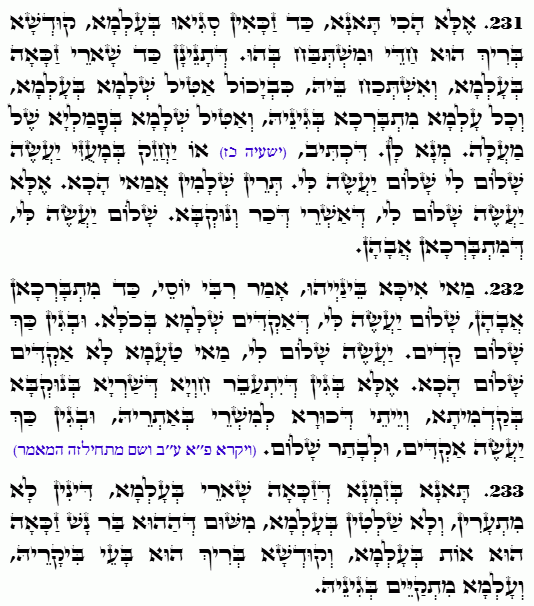
Hebrew translation:
232. מַה יֵּשׁ בֵּינֵיהֶם? אָמַר רַבִּי יוֹסֵי, כְּשֶׁהָאָבוֹת מִתְבָּרְכִים, שָׁלוֹם יַעֲשֶׂה לִּי, שֶׁמַּקְדִּים שָׁלוֹם בַּכֹּל. וּמִשּׁוּם כָּךְ שָׁלוֹם קוֹדֵם. יַעֲשֶׂה שָׁלוֹם לִי, מָה הַטַּעַם לֹא הִקְדִּים כָּאן שָׁלוֹם? אֶלָּא כְּדֵי שֶׁיָּעֳבַר הַנָּחָשׁ שֶׁשָּׁרוּי בַּנְּקֵבָה בָּרִאשׁוֹנָה, וְיָבֹא הַזָּכָר לִשְׁרוֹת בִּמְקוֹמוֹ, וּמִשּׁוּם כָּךְ הִקְדִּים יַעֲשֶׂה, וְאַחַר כָּךְ שָׁלוֹם.
233. שָׁנִינוּ, בִּזְמַן שֶׁצַּדִּיק שָׁרוּי בָּעוֹלָם, הַדִּינִים לֹא מִתְעוֹרְרִים וְלֹא שׁוֹלְטִים בָּעוֹלָם, מִשּׁוּם שֶׁאוֹתוֹ אִישׁ צַדִּיק הוּא אוֹת בָּעוֹלָם, וְהַקָּדוֹשׁ בָּרוּךְ הוּא רוֹצֶה בִכְבוֹדוֹ, וְהָעוֹלָם מִתְקַיֵּם בִּשְׁבִילוֹ.
.
Zohar Vayikra
Continued from previous DZ
#231
We have learned: When there are many tzaddikim in the world, the Holy One, blessed be He, rejoices and is praised through them. We have learned that when a tzaddik dwells in the world and is found there, as it were, he casts peace into the world — which is Malchut — and the entire world is blessed because of him, and he casts peace in the supernal companionship. From where do we know this? For it is written: “אוֹ יַחֲזֵק בְּמָעוּזִּי יַעֲשֶׂה שָׁלוֹם לִי שָׁלוֹם יַעֲשֶׂה לִי” “Or let him take hold of My stronghold, that he may make peace with Me; peace he shall make with Me” (Isaiah 27:5). Why are two “shalom”s written here? Rather: “he may make peace with Me” — that is, he causes the male and female to dwell together, which are Zeir Anpin and Malchut. “Peace he shall make with Me” — that is, the Patriarchs are blessed, which are Chessed- Gevurah and Tiferet of Zeir Anpin.
Notes:
The presence of tzaddikim (especially when numerous) brings joy to Hashem and arouses praise. A single tzaddik “casts peace” into Malchut, blessing all creation, and simultaneously brings peace to the supernal “companionship” (the divine structure). The verse Isaiah 27:5 with its doubled “shalom” reveals two dimensions: one shalom unites Zeir Anpin (male) and Malchut (female) in harmony; the other blesses the Patriarchs (Chessed-Gevurah-Tiferet), elevating the middle triad. Thus, the tzaddik’s merit rectifies and unifies the entire sefirot structure — both the masculine-feminine union and the foundational attributes — sustaining peace and blessing throughout all worlds.
#232
What is the difference between them — between “Peace he shall make with Me” “שָׁלוֹם יַעֲשֶׂה לִי” and “make peace with Me” “יַעֲשֶׂה שָׁלוֹם לִי”? Rabbi Yosi said: When the Avot are blessed — which are Chesed-Gevurah-Tiferet — it is said: “שָׁלוֹם יַעֲשֶׂה לִי” “peace he shall make with Me.” The reason is that he places peace before everything, for it is more important than all, and therefore “shalom” is written first — that is, “שָׁלוֹם יַעֲשֶׂה לִי.”
As for “יַעֲשֶׂה שָׁלוֹם לִי” “he shall make peace with Me,” what is the reason that “shalom” is not placed first here? Rather, it is because one must first remove the Snake that dwells with the Nukva — which is Malchut — and afterward the male — which is Zeir Anpin — comes to dwell in his place with Malchut. And because of this, “יַעֲשֶׂה” is placed first — that is, he makes the rectification to remove the Snake— and afterward “shalom,” between Zeir Anpin and Malchut.
Notes:
Only after the tikkun can true shalom — harmony between Zeir Anpin and Malchut — be established. This teaches that peace between the divine masculine and feminine requires first cleansing Malchut of external interference before full dwelling and blessing can occur.
#233
We have learned: In the time when a tzaddik is found in the world, judgments do not awaken and do not rule over the world, because that righteous man is a sign (אות) in the world — that is, he is in the aspect of Yessod, which is called “אות” (sign/letter). And the Holy One, blessed be He, desires his honor, and the world is sustained because of him.
Notes:
A true tzaddik acts as a protective “sign” (אות) in creation — corresponding to Yessod, the channel of divine flow and the “sign” of the covenant. His righteousness prevents the awakening of harsh judgments, averts calamity, and sustains the world. Hashem cherishes the tzaddik’s honor, making him the reason for world stability: as long as such a tzaddik exists, mercy prevails, judgments are restrained, and all existence endures through his merit. This underscores the tzaddik’s role as a living rectification — a conduit of Yessod that balances and protects the lower worlds, echoing the ongoing power of the brit and the merit of the righteous across generations.
{||}

 Join Zohar Sparks - Telegram (Not a chat group)
 Join on WhatsApp (Not a chat group)
 Join on Signal (Chat is available only in this group)