
 Previous: Vayikra
Daily Zohar # 5137 – Vayikra – Tell me, O you whom I love
Daily Zohar 5137
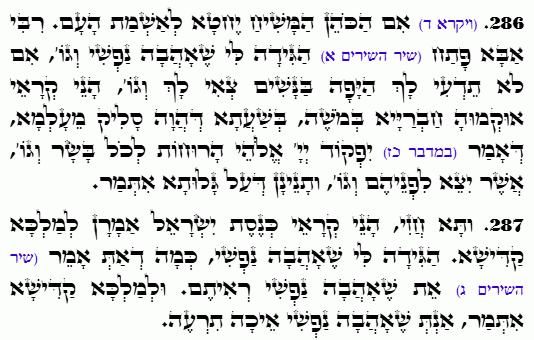
Hebrew translation:
287. וּבֹא רְאֵה, הַפְּסוּקִים הַלָּלוּ אָמְרָה אוֹתָם כְּנֶסֶת יִשְׂרָאֵל לַמֶּלֶךְ הַקָּדוֹשׁ. הַגִּידָה לִּי שֶׁאָהֲבָה נַפְשִׁי, כְּמוֹ שֶׁנֶּאֱמַר (שיר ג) אֵת שֶׁאָהֲבָה נַפְשִׁי רְאִיתֶם. וְלַמֶּלֶךְ הַקָּדוֹשׁ נֶאֱמַר, אַתָּה שֶׁאָהֲבָה נַפְשִׁי אֵיכָה תִרְעֶה.
.
Zohar Vayikra
Continued from previous DZ
#286
“אִם הַכֹּהֵן הַמָּשִׁיחַ יֶחֱטָא לְאַשְׁמַת הָעָם” “If it is the anointed priest who has incurred guilt, so that blame falls upon the people.”
Rabbi Abba opened: “הַגִּידָה לִּי שֶׁאָהֲבָה נַפְשִׁי” “Tell me, O you whom I love,” etc. (Song of Songs 1:7). “אִם לֹא תֵדְעִי לָךְ הַיָּפָה בַּנָּשִׁים” “If you do not know, O fairest among women,” etc. (Song of Songs 1:8). These verses the companions established concerning Moshe, at the time he was departing from the world. When he said: “יִפְקֹד יְהוָה אֱלֹהֵי הָרוּחוֹת לְכָל בָּשָׂר” “Let YHVH, Source of the breath of all flesh, appoint someone over the community” etc. (Numbers 27:16) “who shall go out before them” etc. He said then to the Holy One, blessed be He: “Tell me, You whom my soul loves, where You pasture” etc. — whom are You appointing to pasture Israel? And we have learned that this is said concerning the exile.
#287
Come and see: These verses — the Congregation of Yisrael, which is Malchut, said them to the Holy King, which is Zeir Anpin. “הַגִּידָה לִּי שֶׁאָהֲבָה נַפְשִׁי” “Tell me, You whom my soul loves” — “whom my soul loves” does not mean that my soul loves, but rather “You who loves my soul,” as it is said: “אֵת שֶׁאָהֲבָה נַפְשִׁי רְאִיתֶם” “Have you seen him whom my soul loves?” (Song of Songs 3:3). And to the Holy King it is said: “You whom my soul loves, where do You pasture?”
Notes:
The Zohar interprets the verses from Song of Songs (1:7–8) as the plea of Malchut (Congregation of Yisrael) to Zeir Anpin (the Holy King) during times of exile and transition. Just as Moshe, at the end of his life, asked Hashem to appoint a worthy leader for Israel, Malchut asks her Beloved where He pastures His flock — essentially requesting proper guidance and leadership for Israel in exile.
The phrase “You whom my soul loves” emphasizes that, in this context, it is Zeir Anpin who loves Malchut, not the other way around. These verses thus express the Shekhinah’s deep longing for union and proper shepherding of her children during periods when the divine connection feels distant.
{||}

 Join Zohar Sparks - Telegram (Not a chat group)
 Join on WhatsApp (Not a chat group)
 Join on Signal (Chat is available only in this group)