
 Previous: Vayikra
Daily Zohar # 5172 – Vayikra – What is ‘Rachel weeping’
Daily Zohar 5172
Hebrew translation:
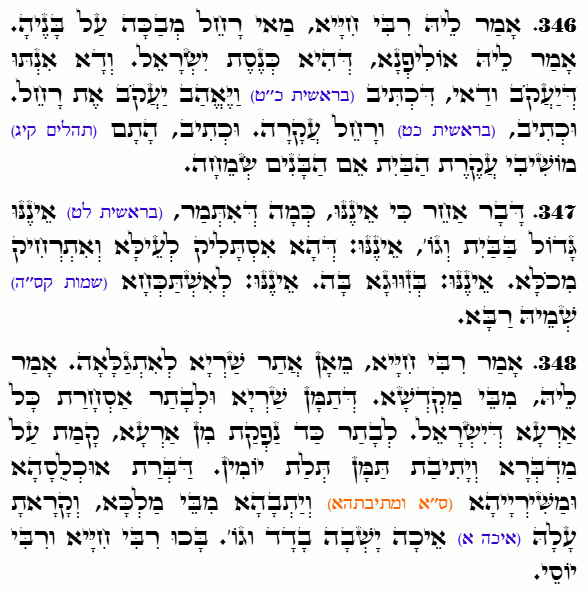
347. דָּבָר אַחֵר כִּי אֵינֶנּוּ, כְּמוֹ שֶׁנֶּאֱמַר, (בראשית לט) אֵינֶנּוּ גָדוֹל בַּבַּיִת וְגוֹ’. אֵינֶנּוּ – שֶׁהֲרֵי הִסְתַּלֵּק לְמַעְלָה וְהִתְרַחֵק מֵהַכֹּל. אֵינֶנּוּ – בְּזִוּוּג עִמָּהּ. אֵינֶנּוּ – שֶׁיִּמָּצֵא שְׁמוֹ הַגָּדוֹל.
348. אָמַר רַבִּי חִיָּיא, מֵאֵיזֶה מָקוֹם הִתְחִילָה לִגְלוֹת? אָמַר לוֹ, מִבֵּית הַמִּקְדָּשׁ, שֶׁשָּׁם שָׁרְתָה, וְאַחַר כָּךְ סוֹבְבָה בְּכָל אֶרֶץ יִשְׂרָאֵל. אַחַר כָּךְ כְּשֶׁיָּצְאָה מִן הָאָרֶץ, עָמְדָה עַל הַמִּדְבָּר וְיָשְׁבָה שָׁם שְׁלֹשָׁה יָמִים, הִנְהִיגָה אֶת אוּכְלוּסֶיהָ וּמַחֲנוֹתֶיהָ (וִישִׁיבוֹתֶיהָ) וְתוֹשָׁבֶיהָ מִבֵּית הַמֶּלֶךְ, וְקָרְאָה עָלֶיהָ אֵיכָה יָשְׁבָה בָדָד וְגוֹ’. בָּכוּ רַבִּי חִיָּיא וְרַבִּי יוֹסֵי.
.
Zohar Vayikra
Continued from previous DZ
#346
Rabbi Chiya said to him: What is this ‘Rachel weeping for her children’? It should have said that the Shekhinah weeps for her children.
He said to him: We have learned that Rachel is Knesset Yisrael—that is, the Shekhinah. She is certainly the wife of Jacob, that is, the wife of Zeir Anpin, who is called Jacob, as it is written: “וַיֶּאֱהַב יַעֲקֹב אֶת רָחֵל” (“And Jacob loved Rachel,” Genesis 29:18). It is also written: “וְרָחֵל עֲקָרָה” (“And Rachel was barren,” Genesis 29:31), and: “מוֹשִׁיבִי עֲקֶרֶת הַבַּיִת אֵם הַבָּנִים שְׂמֵחָה” (“He settles the barren woman in a house as a joyful mother of children,” Psalms 113:9). All these verses refer to the Shekhinah.
#347
Another interpretation of “כִּי אֵינֶנּוּ” (“because he is not,” Jeremiah 31:15) is as follows: It is said, “אֵינֶנּוּ גָדוֹל בַּבַּיִת הַזֶּה מִמֶּנִּי” (“He is not greater in this house than I,” Genesis 39:9). “אֵינֶנּוּ” means “there is none,” that is, there is none greater in this house than I. Similarly, here, “כִּי אֵינֶנּוּ” means “because there is none,” and this includes several ideas: 1. “He is not”—because the Holy One, blessed be He, ascended above and became distant from everything. 2. “He is not”—because there is no union with her. 3. “He is not”—because His Name, which is the Shekhinah, is not His great Name, because she is in exile.
#348
Rabbi Chiya said: From which place did the Shekhinah begin to go into exile?
He said to him: From the Holy Temple, where she used to dwell. And afterward, she would circle the entire Land of Israel. And afterward, when she left the Land, she stood in the midst of the desert and sat there for three days. And the multitude and the camps and the inhabitants from the King’s house, led her out of Jerusalem, and cried over her: “אֵיכָה יָשְׁבָה בָדָד” etc. “How does she sit solitary, etc.” (Lamentations 1:1). Rabbi Chiya and Rabbi Yosi wept.
Notes:
The Zohar identifies Rachel in Jeremiah 31:15 not merely as the biblical matriarch, but as a symbol for Knesset Yisrael / the Shekhinah. Her weeping for her children is the Shekhinah lamenting the exile of Israel. The verses “Jacob loved Rachel,” “Rachel was barren,” and “a joyful mother of children” all allude to the Shekhinah in her states of separation, barrenness (in exile), and future joy upon redemption. This teaches that the biblical story of Rachel is a living archetype of the exile and redemption of the divine feminine presence.
{||}

 Join Zohar Sparks - Telegram (Not a chat group)
 Join on WhatsApp (Not a chat group)
 Join on Signal (Chat is available only in this group)