
 Previous: Vayikra
Daily Zohar # 5171 – Vayikra – She cries because he is not
Daily Zohar 5171
Hebrew translation:
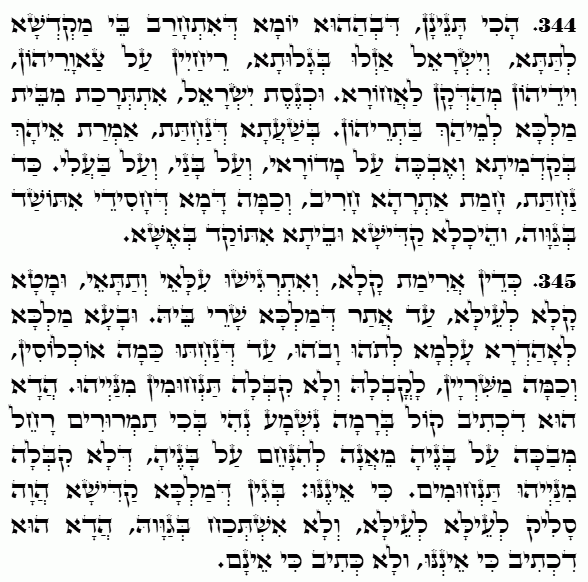
345. אָז הֵרִימָה קוֹל, וְרָעֲשׁוּ עֶלְיוֹנִים וְתַחְתּוֹנִים, וְהַקּוֹל הִגִּיעַ לְמַעְלָה עַד לַמָּקוֹם שֶׁהַמֶּלֶךְ שָׁרוּי בּוֹ, וְרָצָה הַמֶּלֶךְ לְהַחֲזִיר אֶת הָעוֹלָם לְתֹהוּ וָבֹהוּ, עַד שֶׁיָּרְדוּ כַּמָּה אוּכְלוּסִים וְכַמָּה מַחֲנוֹת כְּנֶגְדָּהּ, וְלֹא קִבְּלָה תַנְחוּמִים מֵהֶם. זֶהוּ שֶׁכָּתוּב, קוֹל בְּרָמָה נִשְׁמָע נְהִי בְּכִי תַמְרוּרִים רָחֵל מְבַכָּה עַל בָּנֶיהָ מֵאֲנָה לְהִנָּחֵם עַל בָּנֶיהָ, שֶׁלֹּא קִבְּלָה מֵהֶם תַּנְחוּמִים. כִּי אֵינֶנּוּ, מִשּׁוּם שֶׁהַמֶּלֶךְ הַקָּדוֹשׁ הָיָה עוֹלֶה לְמַעְלָה לְמַעְלָה וְלֹא נִמְצָא בְתוֹכָהּ. זֶהוּ שֶׁכָּתוּב כִּי אֵינֶנּוּ, וְלֹא כָתוּב כִּי אֵינָם.
.
Zohar Vayikra
Continued from previous DZ
#344
Thus, we have learned: On that day when the Holy Temple was destroyed below, and Israel went into exile with millstones on their necks and their hands bound behind them, Knesset Yisrael—which is the Shekhinah—was banished from the King’s house to go into exile after them. At the moment the Shekhinah descended, she said: I will go first and weep over My dwelling, which is the Holy Temple; over My children, who are Israel; and over My husband, Zeir Anpin, who has become distant from Me. When she descended, she saw her place desolate, saw how much blood of the pious had been spilled within it, and that the Holy Sanctuary and the House had been burned with fire.
#345
Then she raised her voice in weeping, and the upper and lower worlds trembled, and her voice reached above, to the place where the King—who is Zeir Anpin—dwells. The King wanted to return the world to tohu and bohu (complete chaos, תֹהוּ וָבֹהוּ). Many troops and camps of angels descended to comfort her, but she did not accept consolation from them. As it is written: “קוֹל בְּרָמָה נִשְׁמָע נְהִי בְכִי תַמְרוּרִים רָחֵל מְבַכָּה עַל בָּנֶיהָ מֵאֲנָה לְהִנָּחֵם עַל בָּנֶיהָ”—“A voice is heard in Ramah, lamentation and bitter weeping; Rachel weeping for her children, she refuses to be comforted for her children” (Jeremiah 31:15)—for she did not accept consolation from them. “Because he is not” (Jeremiah 31:15)—because the Holy King ascended above and is not found within her. Thus it is written: “כִּי אֵינֶנּוּ”—“because he is not”—and it is not written “because they are not,” since it refers to the Holy King.
Notes:
The Zohar vividly describes the Shekhinah’s (Knesset Yisrael/Rachel) descent into exile following the destruction of the Temple. She weeps over the desolation of the Sanctuary, the spilled blood of the righteous, the exile of her children (Israel), and the separation from her husband (Zeir Anpin). Her cry reaches the highest realms, nearly causing the world to revert to primordial chaos. Even angelic consolations are rejected.
The verse from Jeremiah is understood as Rachel (Malchut) refusing comfort because “he is not”—her beloved, the Holy King, has ascended and is distant. This teaches the profound cosmic pain of exile: the separation between Zeir Anpin and Malchut, and the Shekhinah’s shared suffering with Israel. The teaching evokes deep empathy for the Shekhinah’s exile and the longing for reunion and redemption.
{\\}

 Join Zohar Sparks - Telegram (Not a chat group)
 Join on WhatsApp (Not a chat group)
 Join on Signal (Chat is available only in this group)