
 Previous: Vayechi
Daily Zohar # 5042 – Vayechi – And Jacob lived among them
Daily Zohar 5042
Hebrew translation:
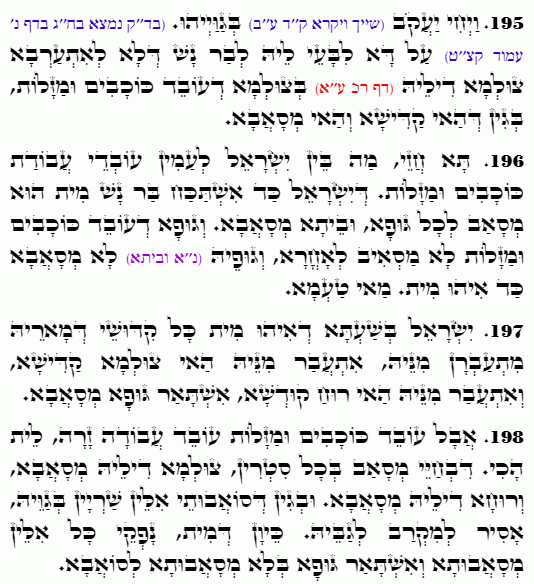
196. בֹּא רְאֵה מַה בֵּין יִשְׂרָאֵל לָעַמִּים עוֹבְדֵי כוֹכָבִים וּמַזָּלוֹת, שֶׁיִּשְׂרָאֵל כְּשֶׁנִּמְצָא אָדָם מֵת, הוּא מְטַמֵּא אֶת כָּל הַגּוּף, וְהַבַּיִת טָמֵא. וְגוּף שֶׁל עוֹבְדֵי כוֹכָבִים וּמַזָּלוֹת לֹא מְטַמֵּא מִישֶׁהוּ אַחֵר, וְגוּפוֹ [וּבֵיתוֹ] לֹא טָמֵא כְּשֶׁהוּא מֵת. מָה הַטַּעַם?
197. יִשְׂרָאֵל בְּשָׁעָה שֶׁהוּא מֵת, כָּל הַקְּדֻשּׁוֹת שֶׁל רִבּוֹנוֹ עוֹבְרוֹת מִמֶּנּוּ, וְעוֹבֵר מִמֶּנּוּ הַצֶּלֶם הַקָּדוֹשׁ הַזֶּה, וְעוֹבֶרֶת מִמֶּנּוּ רוּחַ הַקְּדֻשָּׁה הַזּוֹ, נִשְׁאָר הַגּוּף טָמֵא.
198. אֲבָל עוֹבְדֵי כוֹכָבִים וּמַזָּלוֹת עוֹבֵד עֲבוֹדָה זָרָה לֹא כָּךְ, שֶׁבְּחַיָּיו טָמֵא בְּכָל הַצְּדִים, צַלְמוֹ טָמֵא וְרוּחוֹ טְמֵאָה, וּמִשּׁוּם שֶׁכָּל הַטֻּמְאוֹת הַלָּלוּ שְׁרוּיוֹת בְּתוֹכוֹ, אָסוּר לִקְרַב אֵלָיו. כֵּיוָן שֶׁמֵּת, יוֹצְאוֹת כָּל הַטֻּמְאוֹת הַלָּלוּ, וְנִשְׁאָר גּוּף בְּלִי טֻמְאָה לְטַמֵּא.
.
Zohar Vayechi
Continued from previous DZ
#195
“וַיְחִי יַעֲקֹב בְּתוֹכָם”, “And Jacob lived among them” (Genesis 47:28). Therefore, a person must not mix his image with the image of idol-worshippers, because this is holy and that is impure.
Notes:
Jacob lived among the Egyptians but remained separate, teaching that one must not mingle with idol-worshippers. The holy image (of Israel) cannot mix with the impure, preserving spiritual purity.
#196
Come and see the difference between Israel and the idol-worshipping nations (עכו”ם). For in Israel, when a person dies, he defiles all his body, and the house is defiled. But the body of an idol-worshipper does not defile another, and his body is not defiled when he dies. What is the reason?
Notes:
A Jewish corpse imparts ritual impurity to the body and dwelling, reflecting the soul’s holy connection even in death. An idol-worshipper’s corpse lacks this, signifying spiritual disconnection. This underscores Israel’s elevated sanctity and responsibility.
#197
And he answers: Israel, at the time of his death, all the Holinesses of his Master are removed from him. The holy image is removed from him, and the holy spirit is removed from him, and his body remains impure.
Notes:
Upon death, the holy image (צֶּלֶם) and spirit depart from the Jewish body, leaving it impure. This explains ritual impurity’s uniqueness to Israel, reflecting their elevated holiness and connection to divine levels, unlike idol-worshippers.
#198
But a gentile who worships idolatry is not so. For in his life, he is impure from all sides: his image is impure, and his spirit is impure. And because these impurities dwell within him, it is forbidden to approach him. When he dies, all these impurities go out from him, and the body remains without impurity to impart impurity.
Notes:
The idolater’s living state is fully impure (image and spirit), forbidding approach. Death expels impurities, leaving the body non-transmitting. This reflects spiritual separation from holiness, unlike Israel’s sacred impurity upon death.
{||}

 Join Zohar Sparks - Telegram (Not a chat group)
 Join on WhatsApp (Not a chat group)
 Join on Signal (Chat is available only in this group)