
 Previous: Vayikra
Daily Zohar # 5169 – Vayikra – Speaking to the Kingdom of Heavens
Daily Zohar 5169
Hebrew translation:
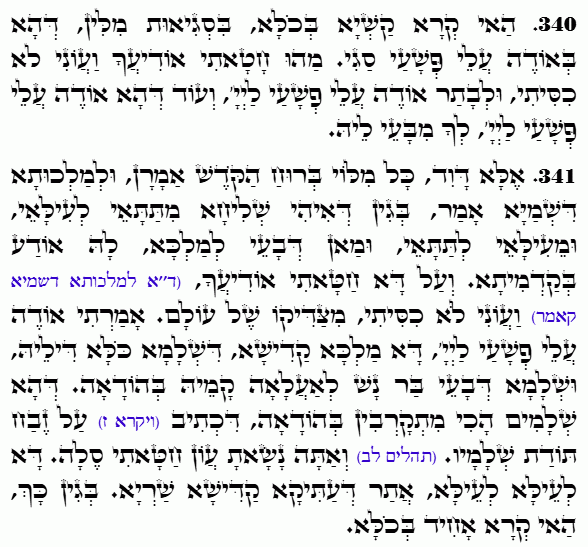
341. אֶלָּא דָּוִד, אֶת כָּל דְּבָרָיו הוּא אָמַר בְּרוּחַ הַקֹּדֶשׁ, וְאָמַר אֶת זֶה לְמַלְכוּת הַשָּׁמַיִם, מִשּׁוּם שֶׁהוּא שָׁלִיחַ מֵהַתַּחְתּוֹנִים אֶל הָעֶלְיוֹנִים, וּמֵעֶלְיוֹנִים אֶל הַתַּחְתּוֹנִים, וּמִי שֶׁרוֹצֶה אֶת הַמֶּלֶךְ, הוּא מוֹדִיעַ לָהּ בָּרִאשׁוֹנָה. וְעַל כֵּן חַטָּאתִי אוֹדִיעֲךָ, (לְמַלְכוּת הַשָּׁמַיִם אָמַר) וַעֲוֹנִי לֹא כִסִּיתִי, מִצַּדִּיקוֹ שֶׁל עוֹלָם. אָמַרְתִּי אוֹדֶה עֲלֵי פְשָׁעַי לַה’ – זֶהוּ הַמֶּלֶךְ הַקָּדוֹשׁ שֶׁכָּל הַשָּׁלוֹם שֶׁלּוֹ, וְהַשָּׁלוֹם שֶׁצָּרִיךְ אָדָם לְהַכְנִיס לְפָנָיו – בְּהוֹדָאָה. שֶׁהֲרֵי כָּךְ נִקְרָבִים שְׁלָמִים בְּהוֹדָאָה, שֶׁכָּתוּב עַל זֶבַח תּוֹדַת שְׁלָמָיו. וְאַתָּה נָשָׂאתָ עֲוֹן חַטָּאתִי סֶלָה. זֶה לְמַעְלָה לְמַעְלָה, הַמָּקוֹם שֶׁהָעַתִּיק הַקָּדוֹשׁ שָׁרוּי. מִשּׁוּם כָּךְ הַפָּסוּק הַזֶּה אוֹחֵז בַּכֹּל.
.
Zohar Vayikra
Continued from previous DZ
#340
This entire verse is difficult, for it multiplies words. For “אוֹדֶה עֲלֵי פְשָׁעַי” “I will make known my transgression to You” would have been enough. And what is the meaning when he says: “חֲטָאתִי אוֹדִיעֲךָ וַעֲוֹנִי לֹא כִסִּיתִי” “I will make known my sin to You, and my iniquity I did not cover,” and afterward he says: “אוֹדֶה עֲלֵי פִשְׁעִי לַיהוָה” “I will confess my transgression to YHVH”? Moreover, when he says, “I will confess my transgression to YHVH,” he should have said “to You,” as he said earlier, “I will make known my sin to You,” but he does not say “to YHVH.”
#341
And he answers: Rather, David said all his words with the Holy Spirit. And to the Kingdom of Heaven he said it, because she is the emissary, that is, the intermediary, from below to above, she is the gate to the supernal sefirot. And a person must enter through her first. And from above to below, she receives the abundance from the supernal sefirot and bestows it below. And whoever needs the King informs her first.
And therefore “חֲטָאתִי אוֹדִיעֲךָ” “I will make known my sin to You” — this he said to the Kingdom of Heaven. “וַעֲוֹנִי לֹא כִסִּיתִי” “and my iniquity I did not cover” — to the Righteous One of the world, which is Yessod of Zeir Anpin. “אָמַרְתִּי אוֹדֶה עֲלֵי פִשְׁעִי לַיהוָה” “I said: I will confess my transgression to YHVH” — this is to the Holy King, which is Zeir Anpin, whose entire peace is His. And the peace that a person needs to bring before Him is through confession, that is, that he confesses his sins. For “שְׁלָמִים” (shelamim, peace offerings) are brought near through thanksgiving, as it is written: “עַל זֶבַח תּוֹדַת שְׁלָמָיו” “upon the sacrifice of his peace-offering of thanksgiving” (Leviticus 7:13). “וְאַתָּה נָשָׂאתָ עֲוֹן חַטָּאתִי סֶלָה” “And You have forgiven the iniquity of my sin, Selah” (Psalms 32:5) — this is above, above, in Abba and Ima Ila’in, which is the place where Atika Kadisha, which is Keter, dwells. And therefore this verse is grasped in everything — that is, in Malchut, and in Yessod, and in Tiferet, and in supernal Abba and Ima, in which Keter dwells.
Notes:
The Zohar explains the seemingly redundant wording in Psalms 32:5 as David referring to different levels of the divine structure with the Holy Spirit. “I will make known my sin to You” is addressed to Malchut (the Kingdom of Heaven, the gate and intermediary). “And my iniquity I did not cover” is to Yessod (the Righteous One of the world). “I will confess my transgression to YHVH” is to Zeir Anpin (the Holy King). “And You have forgiven the iniquity of my sin” reaches even higher, to Abba and Ima, where Atika Kadisha (כתר,Keter) dwells.
This shows that complete confession involves all levels of the divine structure, from Malchut up to the highest concealed realms. True teshuvah and confession honor the King by bringing peace and allowing the full flow of forgiveness from the highest sources down through the entire system. The verse thus encodes the complete path of return.
{||}

 Join Zohar Sparks - Telegram (Not a chat group)
 Join on WhatsApp (Not a chat group)
 Join on Signal (Chat is available only in this group)