
 Previous: Vayikra
Daily Zohar # 5121 – Vayikra – You shall not uncover the nakedness of your mother
Daily Zohar 5121
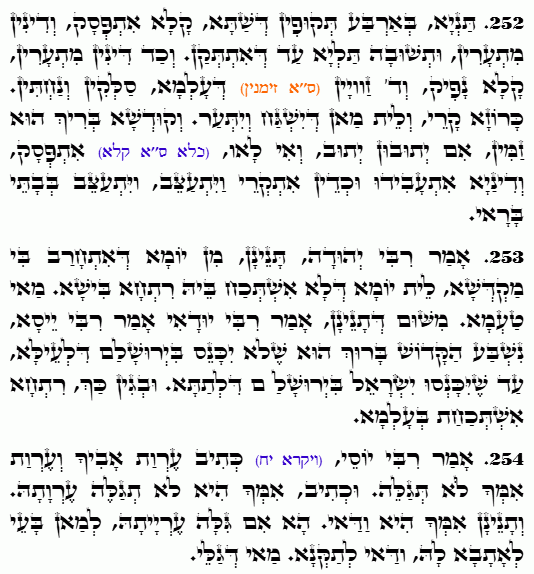
Hebrew translation:
253. אָמַר רַבִּי יְהוּדָה, שָׁנִינוּ, מִיּוֹם שֶׁנֶּחֱרַב בֵּית הַמִּקְדָּשׁ אֵין יוֹם שֶׁלֹּא נִמְצָא בּוֹ כַּעַס רַע, מָה הַטַּעַם? מִשּׁוּם שֶׁשָּׁנִינוּ, אָמַר רַבִּי יוּדָאִי אָמַר רַבִּי יֵיסָא, נִשְׁבַּע הַקָּדוֹשׁ בָּרוּךְ הוּא שֶׁלֹּא יִכָּנֵס בִּירוּשָׁלַיִם שֶׁל מַעְלָה עַד שֶׁיִּכָּנְסוּ יִשְׂרָאֵל לִירוּשָׁלַיִם שֶׁל מַטָּה. וּמִשּׁוּם כָּךְ נִמְצֵאת רִתְחָה בָּעוֹלָם.
254. אָמַר רַבִּי יוֹסֵי, כָּתוּב עֶרְוַת אָבִיךָ וְעֶרְוַת אִמְּךָ לֹא תְגַלֵּה. וְכָתוּב אִמְּךָ הִיא לֹא תְגַלֶּה עֶרְוָתָהּ. וְשָׁנִינוּ, אִמְּךָ הִיא וַדַּאי. הֲרֵי אִם גִּלָּה עֶרְוָתָהּ, לָמָּה צָרִיךְ לְהָשִׁיב אוֹתָהּ? וַדַּאי לְתַקֵּן אֶת מַה שֶּׁגִּלָּה.
.
Zohar Vayikra
Continued from previous DZ
#252
We have learned: In the four seasons of the year, the voice is cut off and judgments (dinim) awaken (as explained in Yitro דף ע”ה), and teshuvah remains suspended until it is rectified. And when the judgments awaken, a voice goes forth. And the four corners of the world rise and go down. A herald calls out, but there is no one who pays attention and awakens. And the Holy One, blessed be He, is prepared: if they return in repentance, the judgments will return to their place. But if not, the voice is cut off, and the judgments are carried out. And then it is called “וַיִּתְעַצֵּב” “and He became sad” (Genesis 6:6). “וַיִּתְעַצֵּב” — that is, in the external houses (the klipot).
Notes:
There are critical moments at the change of the four seasons, when a heavenly voice is silenced, and harsh judgments awaken. A herald proclaims the need for repentance, but if humanity does not respond, the judgments are executed and the world experiences grief (“וַיִּתְעַצֵּב”). Teshuvah at these times can sweeten the judgments and restore balance. The teaching highlights the vulnerability of the world during seasonal transitions and the power of collective repentance to avert harsh decrees.
#253
Rabbi Yehuda said: We have learned: From the day the Holy Temple was destroyed, there is no day without bad anger. What is the reason? It is because we have learned — Rabbi Yudai said in the name of Rabbi Yisa: The Holy One, blessed be He, swore that He would not enter the supernal Jerusalem — which is Malchut — until Israel enters the lower Jerusalem. And because of this, anger is found in the world.
And the oath was concerning the fixed times, for without the fixed times, there is still union of Zeir Anpin and Malchut even in the days of exile — that is, at the time of prayer, on Shabbatot, and on holidays.
Notes:
Since the destruction of the Temple, a constant undercurrent of divine anger exists in the world because Hashem has sworn not to fully enter the supernal Malchut (the higher Jerusalem) until Israel returns to the earthly Jerusalem. This creates a state of separation and judgment. However, even in exile, there are still moments of union between Zeir Anpin and Malchut — particularly during prayer, Shabbat, and festivals — which provide windows of mercy and connection despite the overall exile. The teaching explains both the ongoing spiritual pain of galut and the remaining channels of holiness available to Israel.
#254
Rabbi Yosi said: It is written, “עֶרְוַת אָבִיךָ וְעֶרְוַת אִמְּךָ לֹא תְגַלֵּה” “The nakedness of your father and the nakedness of your mother you shall not uncover” (Leviticus 18:7). And it is written, “עֶרְוַת אִמְּךָ לֹא תְגַלֵּה” “The nakedness of your mother you shall not uncover” (Leviticus 18:7).
And we have learned: “אִמְּךָ הִיא” “your mother she is” — certainly, that is Malchut, who is the mother of Israel. And if one has uncovered her nakedness, why must he bring her back through the secret of teshuvah? It is certainly to correct what he has uncovered. As explained before.
Notes:
Torah prohibition against uncovering the nakedness of one’s mother refers to Malchut, the mother of Israel. “Uncovering her nakedness” symbolizes damaging or exposing Malchut through sin, which creates a spiritual defect in the divine feminine. The requirement to return in teshuvah is not merely to ask for forgiveness, but to actively repair and restore what was damaged in Malchut. This teaches that sins against the lower worlds directly affect the Shekhinah/Malchut, and genuine repentance involves rectifying that damage so that Malchut can return to her proper, covered, and honored state.
{||}

 Join Zohar Sparks - Telegram (Not a chat group)
 Join on WhatsApp (Not a chat group)
 Join on Signal (Chat is available only in this group)