
 Previous: Vayikra
Daily Zohar # 5126 – Vayikra – YHVH is righteous, He loves righteousness
Daily Zohar 5126
Hebrew translation:
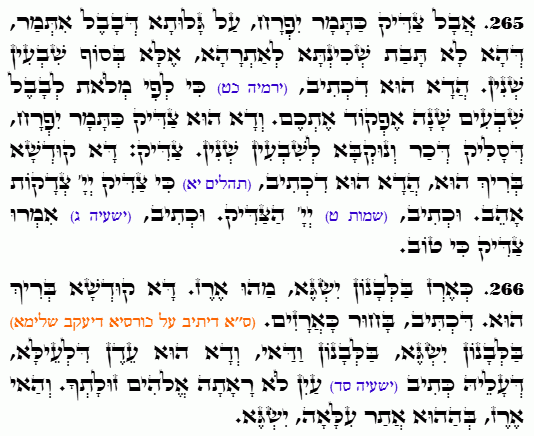
266. כְּאֶרֶז בַּלְּבָנוֹן יִשְׂגֶּה. מַה זֶּה אֶרֶז? זֶה הַקָּדוֹשׁ בָּרוּךְ הוּא, שֶׁכָּתוּב בָּחוּר כָּאֲרָזִים. (שֶׁיּוֹשֵׁב עַל כִּסֵּא שֶׁל יַעֲקֹב הַשָּׁלֵם) בַּלְּבָנוֹן יִשְׂגֶּה, בַּלְּבָנוֹן וַדַּאי, וְזֶהוּ הָעֵדֶן שֶׁלְּמַעְלָה, שֶׁעָלָיו כָּתוּב (שם סד) עַיִן לֹא רָאָתָה אֱלֹהִים זוּלָתְךָ. וְהָאֶרֶז הַזֶּה בְּאוֹתוֹ מָקוֹם עֶלְיוֹן יִשְׂגֶּה.
.
Zohar Vayikra
Continued from previous DZ
#265
But “צַדִּיק כַּתָּמָר יִפְרָח” “The righteous shall flourish like the palm tree” (Psalms 92:13) is said concerning the Babylonian exile, for the Shekhinah did not return to her place until the end of seventy years. This is what is written: “כִּי לְפִי מְלֹאת לְבָבֶל שִׁבְעִים שָׁנָה אֶפְקֹד אֶתְכֶם” “For when seventy years are completed for Babylon, I will visit (אֶפְקֹד, redeem) you” (Jeremiah 29:10). And this is “צַדִּיק כַּתָּמָר יִפְרָח” — that the male and female ascend for seventy years.
“צַדִּיק” — this is the Holy One, blessed be He, who returned to Babylon after seventy years. This is what is written: “כִּי צַדִּיק יְהוָה צְדָקוֹת אָהֵב” “For YHVH is righteous, He loves righteousness” (Psalms 11:7), and “יְהוָה הַצַּדִּיק” “YHVH is the righteous one” (Lamentations 1:18), and “אִמְרוּ צַדִּיק כִּי טוֹב” “Say of the righteous that he is good” (Isaiah 3:10). Behold, the Holy One, blessed be He, is called “tzaddik.”
Notes:
The Zohar interprets “The righteous shall flourish like the palm tree” as referring to the Babylonian exile. Just as the palm tree takes seventy years to flower, the Shekhinah (Malchut) did not return to her full union with Zeir Anpin until the end of the seventy years of exile. At that time, the male (Zeir Anpin) and female (Malchut) were reunited.
The term “צַדִּיק” in the verse refers to the Holy One, blessed be He, Himself, who is called tzaddik in several places in Scripture. After seventy years, Hashem “returned” in the sense of restoring the divine presence and relationship with Israel. The comparison to the palm tree teaches patience and long-term divine timing. Although the exile seemed endless, the flowering of redemption and the return of the Shekhinah eventually came, just as the palm eventually bears fruit after its long period of growth. This reveals a deep layer of comfort and hope within the verse concerning the eventual rectification and reunion after prolonged spiritual “barrenness.”
#266
“כְּאֶרֶז בַּלְּבָנוֹן יִשְׂגֶּה” “As a cedar in Lebanon he shall grow tall” (Psalms 92:13) — What is “cedar”? And he answers: This is the Holy One, blessed be He, as it is written: “בָּחוּר כָּאֲרָזִים” “choice as the cedars” (Song of Songs 5:15).
“בַּלְּבָנוֹן יִשְׂגֶּה” “In Lebanon he shall grow tall” — in Lebanon certainly, and this is the supernal Eden, that is, Chokhmah, concerning which it is written: “עַיִן לֹא רָאָתָה אֱלֹהִים זוּלָתֶךָ” “No eye has seen, O God, besides You” (Isaiah 64:3). And this cedar — which is Zeir Anpin — in that supernal place shall grow tall, that is, when he ascends there.
Notes:
The Zohar continues the interpretation of Psalms 92:13. The “cedar in Lebanon” refers to Zeir Anpin, who grows tall and is exalted when he ascends to the supernal Eden — Chokhmah (Binah’s “husband” in the sefirotic structure). “Lebanon” symbolizes the supernal Eden/Chokhmah, a place of such hidden light that “no eye has seen” it. The cedar (a symbol of strength and height) thus represents Zeir Anpin’s elevation and union with the highest concealed realms during times of rectification, such as after the Babylonian exile or in the process of teshuvah. This teaches that the ultimate “flourishing” of the righteous (and of the divine structure itself) occurs when Zeir Anpin rises to Chokhmah, bringing complete blessing and revelation from the most hidden levels.
{||}

 Join Zohar Sparks - Telegram (Not a chat group)
 Join on WhatsApp (Not a chat group)
 Join on Signal (Chat is available only in this group)