 Previous: Vayikra
Daily Zohar # 5114 – Vayikra – My bow I have set in the cloud
Daily Zohar 5114
Hebrew translation:
238. שָׁנִינוּ, הֵם נִקְרְאוּ מֵי נֹחַ, שֶׁהוּא גָּרַם שֶׁנִּקְרְאוּ עַל שְׁמוֹ. אָמַר רַבִּי יוֹסֵי, זֹאת לִי, מַה זֶּה אוֹמֵר? אֶלָּא אָמַר הַקָּדוֹשׁ בָּרוּךְ הוּא, מֵי נֹחַ גָּרְמוּ לִי שֶׁאֲגַלֶּה זֹאת בָּעוֹלָם, שֶׁכָּתוּב וַאֲנִי “זֹאת” בְּרִיתִי אוֹתָם. “זֹאת” אוֹת הַבְּרִית וְגוֹ’. אֶת קַשְׁתִּי נָתַתִּי בֶּעָנָן, כְּלוֹמַר אֵין מִי שֶׁמַּשְׁגִּיחַ אֶלָּא לִכְבוֹד שְׁמִי שֶׁרָמוּז בְּזֹאת. וּמִי גָרַם לוֹ? מֵי נֹחַ.
239. מִכָּאן סִימָן לְחָסִיד צַדִּיק שֶׁלֹּא מִתְגַּלָּה הַקֶּשֶׁת הַזּוֹ בְּיָמָיו, וְלֹא צָרִיךְ הָעוֹלָם בְּיָמָיו לָאוֹת הַזֹּאת. וּמִי הוּא? אוֹתוֹ שֶׁמְּבַקֵּשׁ רַחֲמִים עַל הָעוֹלָם וְרָאוּי לְהָגֵן עָלָיו, כְּמוֹ רַבִּי שִׁמְעוֹן בֶּן יוֹחַאי, שֶׁלֹּא צָרִיךְ הָעוֹלָם בְּיָמָיו אֶת הָאוֹת הַזֹּאת, שֶׁהֲרֵי הוּא הָיָה אוֹת סִימָן בָּעוֹלָם.
.
Zohar Vayikra
Continued from previous DZ
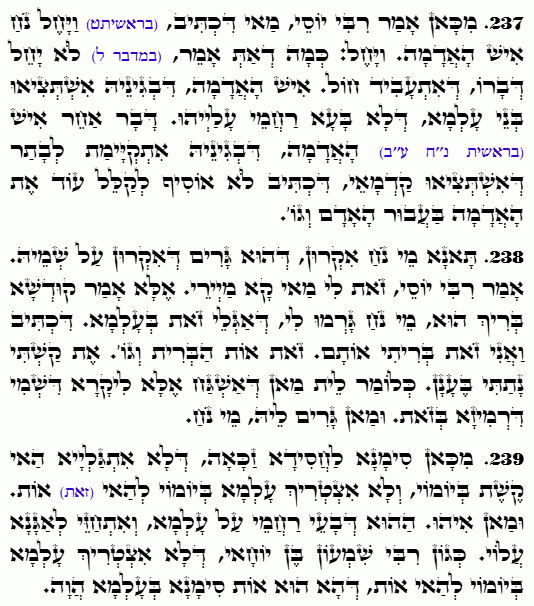
#237
From here, Rabbi Yosi said: What is written: ‘וַיָּחֶל נֹחַ אִישׁ הָאֲדָמָה” “And Noah began to be a man of the earth” (Genesis 9:20). “וַיָּחֶל” means, as it is said, “לֹא יָחֵל דְּבָרוֹ” “He shall not profane his word” (Numbers 30:3) — for he became profane (חול). “A man of the earth” — because on his account all the people of the world were destroyed, since he did not request mercy for them.
Another interpretation: “אִישׁ הָאֲדָמָה”” A man of the earth” — because on his account the earth was sustained after the previous ones had destroyed it, as it is written: “לֹא אֹסִיף עוֹד לְקַלֵּל אֶת הָאֲדָמָה בַּעֲבוּר הָאָדָם” “I will not again curse the ground any more for man’s sake” etc. (Genesis 8:21).
Notes:
Rabbi Yosi offers two explanations for the verse “וַיָּחֶל נֹחַ אִישׁ הָאֲדָמָה” (Genesis 9:20). The first sees “וַיָּחֶל” as related to “חול” (profane/ordinary), indicating that Noah became “profaned” or diminished in stature because he failed to plead for mercy on behalf of the generation, leading to the destruction of all humanity. The second interpretation is more positive: Noah is called “a man of the earth” because, through his merit and the covenant after the flood, the earth itself was preserved and no longer cursed as it had been in the generations before him. Together, these readings highlight both the limitation in Noah’s talk (unlike Moshe’s) and his positive role in sustaining the physical world after the flood. This reinforces the earlier teaching that a true tzaddik must actively seek mercy for the collective rather than focus solely on personal or limited salvation.
#238
We have learned: They are called “waters of Noah” because he caused them to be called by his name — that is, because he did not pray for them, as mentioned above. But “זֹאת לִי” “this is to Me” — what does it say?
And he answers: Rather, the Holy One, blessed be He, said: The waters of Noah caused Me to reveal “this” (זאת) in the world — which is Malchut, called “זאת” — that is revealed in the secret of the rainbow to protect the world, as it is written: “וַאֲנִי זֹאת בְּרִיתִי אוֹתָם” “And as for Me, this is My covenant with them” (Isaiah 59:21), and “זֹאת אוֹת הַבְּרִית” “This is the sign of the covenant” etc. “אֶת קַשְׁתִּי נָתַתִּי בֶּעָנָן” “My bow I have set in the cloud” (Genesis 9:13), in order to protect the world.
That is to say, the rainbow indicates that no one watches over the world and prays for it, except that I Myself do it for the honor of My Name, which is alluded to in “זאת.” And who caused Me to do this? “מי נח” — the waters of Noah — because he did not pray and did not protect the world.
Notes:
The unusual phrase “כִּי מֵי נֹחַ זֹאת לִי” (“For this is to Me as the waters of Noah,” Isaiah 54:9) explained. The flood waters are called “מי נח” because Noah failed to intercede for his generation, causing the destruction to be associated with his name. In response, Hashem established the rainbow (“זאת” — “this”) as the sign of the covenant. “זאת” alludes to Malchut, which is revealed through the rainbow to protect the world when no tzaddik rises to pray on its behalf. The rainbow thus serves as a perpetual divine safeguard — Hashem Himself watching over and protecting creation for the honor of His Name, since Noah did not do so. This highlights the critical role of the tzaddik’s prayer and intercession: when they are absent, divine mercy must intervene directly through special signs, such as the rainbow.
#239
From here is the sign for a pious tzaddik: that the rainbow is not revealed in his days, because in his days the world does not need this sign, since he protects the world with his prayer.
And who is that one who requests mercy for the world and is worthy to protect it? It is like Rabbi Shimon, in whose days the world did not need this sign. For that sign is a mark in the world that there is no protector except the Holy One, blessed be He, as mentioned above.
Notes:
The Zohar gives a clear sign for identifying a true chassid and tzaddik: during his lifetime, the rainbow does not appear. The rainbow (“זאת”) serves as a divine safeguard for the world when no one prays sufficiently on its behalf. A great tzaddik like Rabbi Shimon bar Yochai protects the entire generation through the power of his prayer and merit, making the rainbow unnecessary. The appearance of the rainbow is therefore a sign that the world lacks such a protector and that Hashem Himself must intervene directly for the honor of His Name. This teaches the immense protective power of the prayers and the merit of the true tzaddik.
{||}

 Join Zohar Sparks - Telegram (Not a chat group)
 Join on WhatsApp (Not a chat group)
 Join on Signal (Chat is available only in this group)