
 Previous: Vayikra
Daily Zohar # 5181 – Vayikra – Shine your face upon Your desolate Sanctuary
Daily Zohar 5181
Hebrew translation:
364. תָּמְהוּ רַבִּי חִיָּיא וְרַבִּי יוֹסֵי, וְשָׂמְחוּ בְאוֹתוֹ לַיְלָה. אַחַר שֶׁאָכְלוּ, פָּתַח חֲבֵרוֹ הַסּוֹחֵר וְאָמַר, אֹמַר לִפְנֵיהֶם דָּבָר אֶחָד שֶׁהִתְעַסַּקְתִּי בוֹ הַיּוֹם הַזֶּה, הַפָּסוּק הַזֶּה שֶׁכָּתוּב (תהלים סג) מִזְמוֹר לְדָוִד בִּהְיוֹתוֹ בְּמִדְבַּר יְהוּדָה. דָּוִד אָמַר שִׁירָה כְּשֶׁהָיָה בּוֹרֵחַ מֵחָמִיו, לָמָּה אָמַר אֱלֹהִים אֵלִי אַתָּה אֲשַׁחֲרֶךָּ צָמְאָה לְךָ נַפְשִׁי וְגוֹ’? אֱלֹהִים אֵלִי אַתָּה, שֶׁהֲרֵי בִּגְבוּרָה אֲחוּזָה תָּמִיד. אֲשַׁחֲרֶךָּ, וְכִי אֵיךְ יָכֹל דָּוִד לְשַׁחֵר אֶת הַקָּדוֹשׁ בָּרוּךְ הוּא בְּאֶרֶץ רְחוֹקָה, וְגֹרַשׁ מֵהָאָרֶץ שֶׁבָּהּ שְׁרוּיָה הַשְּׁכִינָה?
.
Zohar Vayikra
Continued from previous DZ
#363
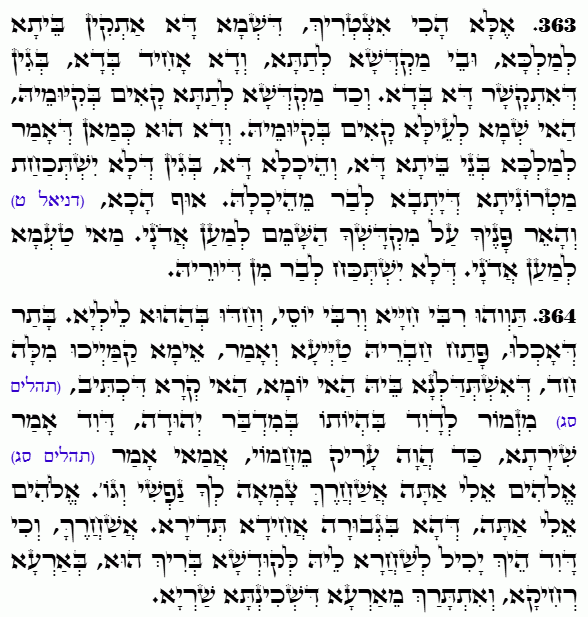
And he answers: Rather, certainly it is fitting to say thus, as it is said. For this name Adonai prepared a house for the King, and the Holy Temple below, and this is attached to that — that the name Adonai, which is the Shekhinah, is attached to the Holy Temple, where her dwelling is, for they are connected one to the other. And when the Holy Temple below stands in its existence, this name Adonai stands in its existence above. And this is similar to one who said to the King: Build this house and this palace, so that the Queen will not sit outside her palace. So too here: “וְהָאֵר פָּנֶיךָ עַל מִקְדָּשְׁךָ הַשָּׁמֵם לְמַעַן אֲדֹנָי” “And cause Your face to shine upon Your desolate Sanctuary for the sake of my Lord” (Daniel 9:17) — its meaning is: What is the reason that I request concerning Your desolate Sanctuary? It is for the sake of my Lord, so that the name Adonai, which is Malchut, should not be found outside her dwelling, which is the Holy Temple.
#364
Rabbi Chiya and Rabbi Yosi were astonished and rejoiced that night. After they ate, the merchant’s companion opened and said: I will say before you one thing that I occupied myself with today, this verse that is written: “מִזְמוֹר לְדָוִד בְּהִיוֹתוֹ בְּמִדְבַּר יְהוּדָה” “A psalm of David, when he was in the wilderness of Judah” (Psalms 63:1). That David said a song when he fled from his father-in-law and was in the wilderness. He asks: Why did he say: “אֱלֹהִים אֵלִי אַתָּה אֲשַׁחֲרֶךָּ” etc. “O God, You are my God, I seek You” etc. “In a dry and weary land” etc. (Psalms 63:2). “O God, You are my God” — behold, its meaning is that with the name Elohim, which is Gevurah, I am always attached, while being in the wilderness. “I seek You” is difficult — and could David seek the Holy One, blessed be He, in a far land, when he was banished from the land where the Shekhinah dwells, which is Jerusalem?
Notes:
The merchant’s question about Daniel 9:17 is resolved by explaining that “for the sake of my Lord” (Adonai/Malchut) is appropriate because the Shekhinah’s dwelling is in the Temple below. Restoring the Temple allows Adonai to be properly united with her place, just as a king builds a palace for his queen.
The merchant also raises a difficulty with Psalms 63: David, in exile in the wilderness, calls out to God. The sages’ astonishment and joy show their appreciation for sincere seekers of Torah. The story continues the theme of hidden Torah insights emerging in unexpected places, even from merchants, during times of danger and divine protection.
{||}

 Join Zohar Sparks - Telegram (Not a chat group)
 Join on WhatsApp (Not a chat group)
 Join on Signal (Chat is available only in this group)