
 Previous: Vayikra
Daily Zohar # 5197 – Vayikra – If the anointed priest shall sin
Daily Zohar 5197
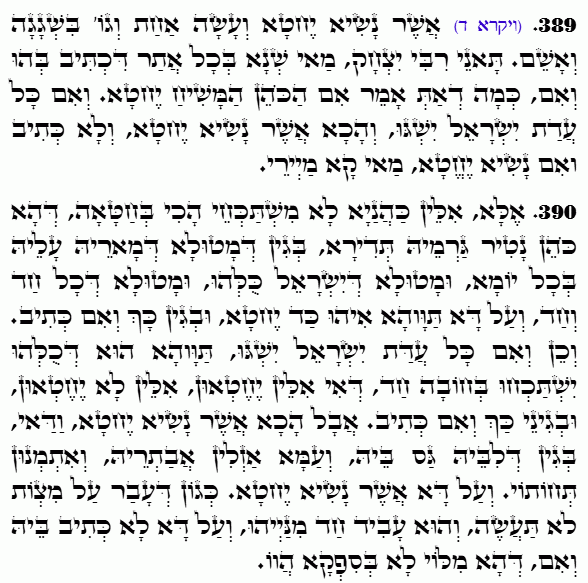
Hebrew translation:
390. אֶלָּא, שֶׁהַכֹּהֲנִים הַלָּלוּ אֵינָם נִמְצָאִים כָּךְ בְּחֵטְא, שֶׁהֲרֵי הַכֹּהֵן שׁוֹמֵר אֶת עַצְמוֹ תָּמִיד, מִשּׁוּם שֶׁמַּשָּׂאוֹ שֶׁל אֲדוֹנוֹ עָלָיו בְּכָל יוֹם, וְהַמַּשָּׂא שֶׁל כָּל יִשְׂרָאֵל, וְהַמַּשָּׂא שֶׁל כָּל אֶחָד וְאֶחָד, וְלָכֵן הַתְּמִיהָה, הוּא כְּשֶׁיֶּחֱטָא?! וּמִשּׁוּם כָּךְ כָּתוּב וְאִם. וְכֵן וְאִם כָּל עֲדַת יִשְׂרָאֵל יִשְׁגּוּ, תְּמִיהָה הִיא שֶׁכֻּלָּם יִמָּצְאוּ בְּחֵטְא אֶחָד, שֶׁאִם אֵלֶּה יַחְטְאוּ – אֵלּוּ לֹא יַחְטְאוּ, וּמִשּׁוּם כָּךְ כָּתוּב וְאִם. אֲבָל כָּאן אֲשֶׁר נָשִׂיא יֶחֱטָא, וַדַּאי, מִשּׁוּם שֶׁלִּבּוֹ גַּס בּוֹ, וְהָעָם הוֹלְכִים אַחֲרָיו וְהִתְמַנּוּ תַחְתָּיו. וְעַל כֵּן אֲשֶׁר נָשִׂיא יֶחֱטָא. כְּגוֹן שֶׁהוּא עָבַר עַל מִצְווֹת לֹא תַעֲשֶׂה, וְהוּא עָשָׂה אַחַת מֵהֶן, וְלָכֵן לֹא כָתוּב בּוֹ וְאִם, שֶׁהֲרֵי דְּבָרָיו אֵינָם בְּסָפֵק.
.
Zohar Vayikra
Continued from previous DZ
#389
Rabbi Yitzchak taught, What is the difference that in every place it is written with them “ואם” (“and if”), as it is written, “אִם הַכֹּהֵן הַמָּשִׁיחַ יֶחֱטָא” “If the anointed priest shall sin” (Leviticus 4:3). “וְאִם כָּל־עֲדַת יִשְׂרָאֵל יִשְׁגּוּ” “And if the whole congregation of Israel shall err” (Leviticus 4:13). But here it is written, “אֲשֶׁר נָשִׂיא יֶחֱטָא” “when a ruler sins” (Leviticus 4:22), and it is not written “and if a ruler shall sin.” What does this teach us?
Notes:
Rabbi Yitzchak highlights the deliberate wording in the Torah’s laws of sin offerings. The use of “and if” for the anointed priest and the entire congregation expresses rarity and astonishment at the possibility of their sin, while the ruler’s verse implies greater likelihood.
#390
And he answers, Rather, these priests are not found so much in sin, for the priest always guards himself, because the burden of his Master is upon him every day, and the burden of all Israel, and the burden of each and every one. And therefore it is a wonder if he sins, and therefore it is written “and if.” And similarly “and if the whole congregation of Israel shall err,” for it is a wonder that all of them would be found in one sin, for if these sin, those do not sin, and because of this it is written “and if.” But here, “when a ruler sins,” he will certainly sin, because his heart is proud within him, for the people follow after him, and he is appointed over them. And therefore it says, “when a ruler sins,” that is, that he transgressed a negative commandment and performed one of them, and therefore it is not written with him, “and if,” for the matters of his sin are not in doubt.
Notes:
The Zohar explains why the Torah uses “and if” for the priest and congregation but states “when” for the ruler. Priests bear constant holy responsibility and guard themselves, making sin rare and astonishing; the people’s collective error is similarly improbable. A ruler’s pride and influence, however, make his transgression more certain.
{||}

 Join Zohar Sparks - Telegram (Not a chat group)
 Join on WhatsApp (Not a chat group)
 Join on Signal (Chat is available only in this group)