
 Previous: Vayikra
Daily Zohar # 5162 – Vayikra – To seat them with princes
Daily Zohar 5162
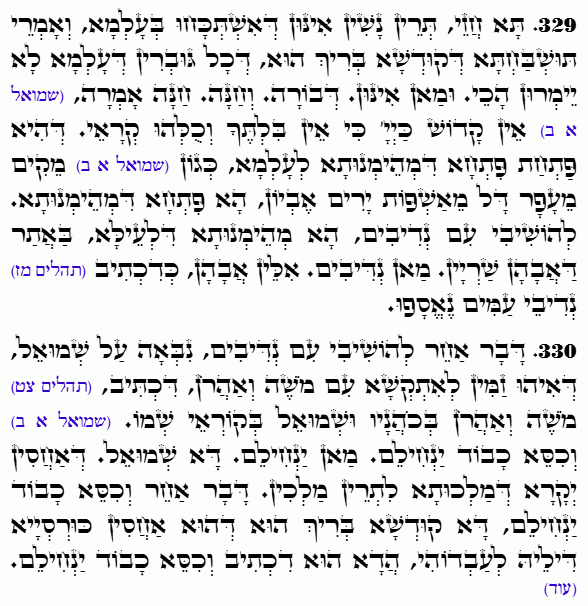
Hebrew translation:
330. דָּבָר אַחֵר לְהוֹשִׁיב עִם נְדִיבִים – נִבְּאָה עַל שְׁמוּאֵל, שֶׁהוּא עָתִיד לִהְיוֹת שָׁקוּל עִם מֹשֶׁה וְאַהֲרֹן, שֶׁכָּתוּב (שם צט) מֹשֶׁה וְאַהֲרֹן בְּכֹהֲנָיו וּשְׁמוּאֵל בְּקֹרְאֵי שְׁמוֹ. וְכִסֵּא כָבוֹד יַנְחִלֵם, מִי יַנְחִלֵם? זֶה שְׁמוּאֵל, שֶׁהוֹרִישׁ כְּבוֹד הַמַּלְכוּת לִשְׁנֵי מְלָכִים. דָּבָר אַחֵר וְכִסֵּא כָבוֹד יַנְחִלֵם – זֶה הַקָּדוֹשׁ בָּרוּךְ הוּא שֶׁהוֹרִישׁ אֶת כִּסְאוֹ לַעֲבָדָיו. זֶהוּ שֶׁכָּתוּב וְכִסֵּא כָבוֹד יַנְחִלֵם.
.
Zohar Vayikra
Continued from previous DZ
#329
Come and see: Two women were found in the world who said the praise of the Holy One, blessed be He, such that all the men in the world could not say the like. And who are they? They are Deborah and Hannah.
Hannah said: “אֵין קָדוֹשׁ כַּיהוָה כִּי אֵין בִּלְתֶּךָ” “There is none holy as YHVH, for there is none beside You” (1 Samuel 2:2), and all the verses that follow. She opened the gate of faith in the world. For example: “מֵקִים מֵעָפָר דָּל מֵאַשְׁפֹּת יָרִים אֶבְיוֹן” “He raises the poor from the dust, He lifts the needy from the ash heap” (1 Samuel 2:8) — this is the gate of faith, which is Malchut. For when the generation is guilty, she is called “poor” and “needy.” And when they return in teshuvah, it is said about her: “He raises the poor from the dust” etc. “לְהוֹשִׁיבִי עִם נְדִיבִים” “to seat them with (נְדִיבִים) princes” (1 Samuel 2:8) — this is the supernal faith, that is, Malchut, who ascends above the chest of Zeir Anpin, to the place where the patriarchs dwell, which are Chessed-Gevurah-Tiferet of Zeir Anpin. For who are the princes? They are the patriarchs, as it is written: “נְדִיבֵי עַמִּים נֶאֱסָפוּ עִם אֱלֹהֵי אַבְרָהָם” “The princes of the peoples are gathered, the people of the God of Abraham” (Psalms 47:10). Behold, from the side of the patriarchs, they are called princes (נְדִיבִים).
#330
Another interpretation: “לְהוֹשִׁיבִי עִם נְדִיבִים” “to seat them with princes” — this is a prophecy concerning Samuel, who is destined to be equal with Moses and Aaron, as it is written: “מֹשֶׁה וְאַהֲרֹן בְּכֹהֲנָיו וּשְׁמוּאֵל בְּקֹרְאֵי שְׁמוֹ” “Moses and Aaron among His priests, and Samuel among those who call upon His name” (Psalms 99:6). “וְכִסֵּא כָבוֹד יַנְחִלֵם” “And a throne of glory He will cause them to inherit” (1 Samuel 2:8). What is “He will cause them to inherit”? It is Samuel who caused the glory of kingship to be inherited by two kings — Saul and David.
Another interpretation: “And a throne of glory He will cause them to inherit” — this is the Holy One, blessed be He, who causes His throne to be inherited by His servants. This is what is written: “וְכִסֵּא כָבוֹד יַנְחִלֵם” “And a throne of glory He will cause them to inherit.”
Notes:
The Zohar highlights two extraordinary women — Deborah and Hannah — whose praises of God surpassed those of all men. Hannah’s song opened the “gate of faith” (Malchut), describing how God raises the lowly (Malchut in her fallen state) and seats them with princes (נְדִיבִים, the patriarchs, Chessed-Gevurah-Tiferet).
The verse “to seat them with princes” also alludes to Samuel, who inherited the glory of kingship and passed it to Saul and David. Ultimately, it points to Hashem Himself granting His throne to His servants. These interpretations show how the feminine aspect (Malchut) and certain righteous individuals (like Hannah and Samuel) play pivotal roles in elevating faith, opening gates of blessing, and establishing kingship in Israel.
{||}

 Join Zohar Sparks - Telegram (Not a chat group)
 Join on WhatsApp (Not a chat group)
 Join on Signal (Chat is available only in this group)