
 Previous: Vayikra
Daily Zohar # 5163 – Vayikra – He will thunder from the heavens upon him
Daily Zohar 5163
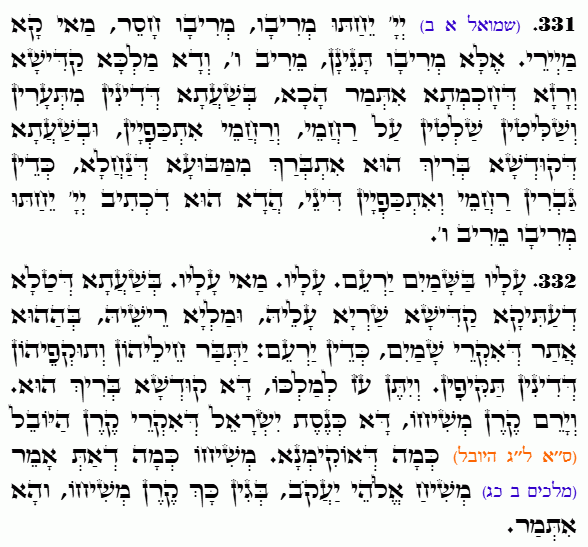
Hebrew translation:
332. עָלָו בַּשָּׁמַיִם יַרְעֵם. עָלָו, מַה זֶּה עָלָו? בְּשָׁעָה שֶׁהַטַּל שֶׁל הָעַתִּיק הַקָּדוֹשׁ שׁוֹרֶה עָלָיו, וּמְמַלֵּא אֶת רֹאשׁוֹ בְּאוֹתוֹ מָקוֹם שֶׁנִּקְרָא שָׁמַיִם, אֲזַי יַרְעֵם, יִשְׁבֹּר אֶת כֹּחָם וְתָקְפָּם שֶׁל הַדִּינִים הַקָּשִׁים. וְיִתֶּן עֹז לְמַלְכּוֹ – זֶה הַקָּדוֹשׁ בָּרוּךְ הוּא. וְיָרֵם קֶרֶן מְשִׁיחוֹ – זוֹ כְּנֶסֶת יִשְׂרָאֵל שֶׁנִּקְרֵאת קֶרֶן הַיּוֹבֵל, כְּמוֹ שֶׁבֵּאַרְנוּ. מְשִׁיחוֹ, כְּמוֹ שֶׁנֶּאֱמַר מְשִׁיחַ אֱלֹהֵי יַעֲקֹב, מִשּׁוּם כָּךְ קֶרֶן מְשִׁיחוֹ, וַהֲרֵי נִתְבָּאֵר.
.
Zohar Vayikra
Continued from previous DZ
#331
“YHVH will humble His adversaries” — “מְרִיבָו” is written missing a Yod, which is a sign of the plural. What does it teach us?
And he answers: Rather, “מְרִיבָו” — we have learned that it is the letters “מְרִיב וָו”, and this is the Holy King. That is, Zeir Anpin, who is called the Vav of YHVH, which is the middle line. And the secret of Chokhmah is said here.
At the time when the judgments awaken, and the rulers from the side of judgment rule over rachamim (Mercy) — which is the middle line — rachamim is subdued before the rulers of judgment. But at the hour when the Holy One, blessed be He, is blessed from the spring of the river, which is Binah, then rachamim — which is the middle line — becomes strong, and the judgments that are drawn from the left are subdued. This is what is written: “יְהוָה יֵחַתּוּ מְרִיבָו” “YHVH will humble His adversaries” — the adversaries of the Vav, that is, the judgments that are adversaries of the Vav, which is the middle line, will be humbled by the power of the illumination of Binah.
#332
“עָלָו בַּשָּׁמַיִם יַרְעֵם” “He will thunder from the heavens upon him” (1 Samuel 2:10). He asks: “עָלָיו” — who is “upon him”?
And he answers: At the time when the dew (טל) — that is, the abundance of Atika Kadisha, which is Keter — dwells upon him and fills his head, that is, the Gimel Rishonot (ג” ר, Upper three) that are called “head,” in that place called “heavens” (שמים) — that is, Zeir Anpin — then “He will thunder” — He will break the strength and force of the harsh judgments. “And He will give strength to His king” — this is the Holy One, blessed be He, Zeir Anpin. “And He will exalt the horn of His anointed” — this is the congregation of Israel (כְּנֶסֶת יִשְׂרָאֵל), that is, Malchut, called the horn of the Jubilee (קֶרֶן הַיּוֹבֵל), as we have established. “מְשִׁיחוֹ” “His anointed” — as it is said: “מְשִׁיחַ אֱלֹהֵי יַעֲקֹב” “the anointed of the God of Jacob” (2 Samuel 23:1), which is said concerning David, who is the aspect of Malchut. Because of this it says “the horn of His anointed.” And it has already been explained.
Notes:
The Zohar interprets Hannah’s song as describing the victory of mercy over judgment on Rosh Hashanah. “YHVH will humble His adversaries” refers to the judgments (adversaries of the Vav/middle line, Z” A) being subdued when Binah’s light strengthens the middle line.
“He will thunder from the heavens upon him” occurs when the supernal dew from Atika Kadisha (Keter) fills Zeir Anpin’s head (ג” ר,Gimel Rishonot). This breaks the power of harsh judgments, gives strength to the King (Zeir Anpin), and exalts the horn of His anointed (קֶרֶן מְשִׁיחוֹ, Malchut). The entire process shows how, on Rosh Hashanah, the balance is restored: the middle line is empowered, judgment is humbled, and mercy prevails through the union of the sefirot.
{||}

 Join Zohar Sparks - Telegram (Not a chat group)
 Join on WhatsApp (Not a chat group)
 Join on Signal (Chat is available only in this group)