
 Previous: Vayikra
Daily Zohar # 5132 – Vayikra – Where are sins recorded
Daily Zohar 5132
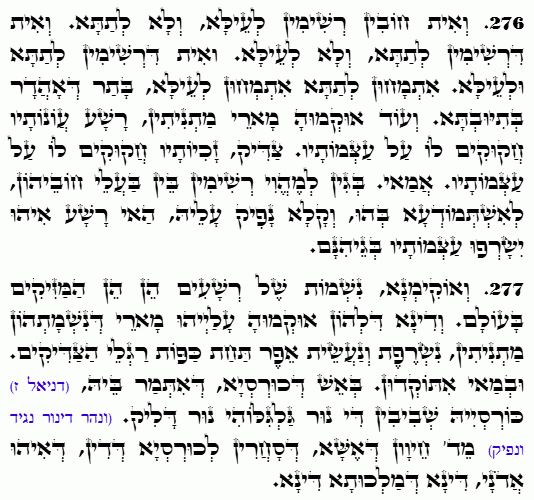
Hebrew translation:
277. וּבֵאַרְנוּ, נְשָׁמוֹת שֶׁל רְשָׁעִים הֵן הֵן הַמַּזִּיקִים בָּעוֹלָם. וְהַדִּין שֶׁלָּהֶם בֵּאֲרוּ עֲלֵיהֶם בַּעֲלֵי הַמִּשְׁנָה, שֶׁנִּשְׁמָתָם נִשְׂרֶפֶת וְנַעֲשֵׂית אֵפֶר תַּחַת כַּפּוֹת רַגְלֵי הַצַּדִּיקִים. וּבַמֶּה נִשְׂרָפִים? בְּאֵשׁ הַכִּסֵּא, שֶׁנֶּאֱמַר בּוֹ (דניאל ז) כָּרְסְיֵהּ שְׁבִיבִין דִּי-נוּר גַּלְגִּלּוֹהִי נוּר דָּלִק. (וּנְהַר דִּינוּר שׁוֹפֵעַ וְיוֹצֵא) מֵאַרְבַּע חַיּוֹת שֶׁל אֵשׁ שֶׁסּוֹבְבִים אֶת כִּסֵּא הַדִּין, שֶׁהוּא אֲדֹנָ”י, דִּין שֶׁל הַמַּלְכוּת דִּין.
.
Zohar Vayikra
Continued from previous DZ
#276
And there are sins that are recorded above but not below in this world. And there are sins that are recorded below but not above. And there are sins that are recorded both below and above. If the sins are erased below in this world when a person does teshuvah, they are erased above after he does teshuvah.
Moreover, the sages of the Mishnah established: The sins of the wicked are engraved upon their bones. The merits of the righteous are engraved upon their bones. Why? So that they may be marked among the transgressors and recognized by them. And a voice goes forth concerning him: This is a wicked one — let his bones be burned in Gehinnom.
#277
And we have established: The souls of the wicked — they themselves are the damagers (מַּזִּיקִים) in the world. And their judgment — the masters of the Mishnah established concerning them — that their soul is burned and becomes ash under the soles of the feet of the tzaddikim.
And with what are they burned? It is with the fire of the Throne, which is Malchut, concerning which it is said: “כָּרְסְיֵהּ שְׁבִיבִין דִּי נוּר גַּלְגִּלּוֹהִי נוּר דָּלִיק” “His throne was fiery flames, its wheels burning fire” (Daniel 7:9) — his Throne is sparks of fire, and its wheels are burning fire. And this is with the fire of the four fiery Chayot (holy living creatures) that surround the Throne of Din, which is Adonai, alluded to in the saying “דִּינָא דְמַלְכוּתָא דִּינָא” (the law of the kingdom is the law).
Notes:
The Zohar distinguishes three types of sins according to where they are recorded: some only above, some only below, and some in both realms. When a person performs teshuvah, the sins are erased first in this world and then above.
The souls of the wicked become the harmful spirits (מַּזִּיקִים) that damage the world. Their ultimate punishment is that their souls are burned in the fire of Malchut (the Throne of Judgment), whose fire is fed by the four Chayot surrounding it. The ashes of these souls end up under the feet of the tzaddikim. This severe judgment applies especially to those whose sins are engraved on their bones, making them recognizable as wicked even in the afterlife. The teaching underscores both the lasting record of sin and the purifying power of Malchut’s fire in the world to come.
{||}

 Join Zohar Sparks - Telegram (Not a chat group)
 Join on WhatsApp (Not a chat group)
 Join on Signal (Chat is available only in this group)