 Previous: Vayikra
Daily Zohar # 5175 – Vayikra – Do not fear, Jacob
Daily Zohar 5175
Hebrew translation:
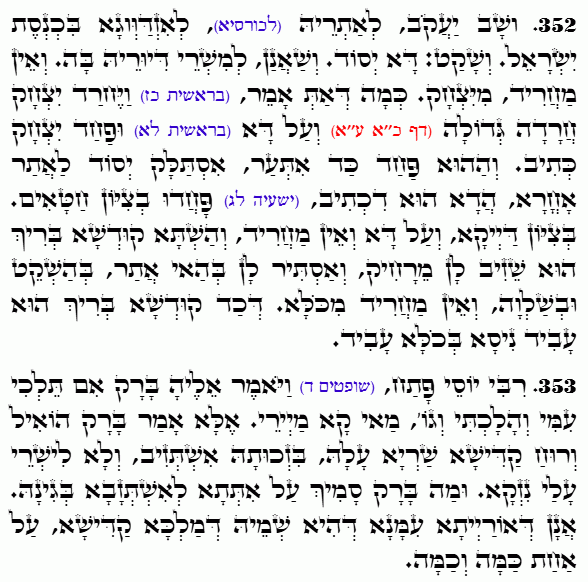
353. רַבִּי יוֹסֵי פָּתַח, (שופטים ד) וַיֹּאמֶר אֵלֶיהָ בָּרָק אִם תֵּלְכִי עִמִּי וְהָלָכְתִּי וְגוֹ’, מַה זֶּה אוֹמֵר? אֶלָּא אָמַר בָּרָק, הוֹאִיל וְרוּחַ הַקְּדֻשָּׁה שׁוֹרָה עָלֶיהָ, בִּזְכוּתָהּ אֶנָּצֵל וְלֹא יִשְׁרֶה עָלַי נֶזֶק. וּמַה בָּרָק סָמוּךְ עַל אִשָּׁה לְהִנָּצֵל בִּגְלָלָהּ – אָנוּ, שֶׁהַתּוֹרָה עִמָּנוּ, שֶׁהִיא שְׁמוֹ שֶׁל הַמֶּלֶךְ הַקָּדוֹשׁ, עַל אַחַת כַּמָּה וְכַמָּה.
.
Zohar Vayikra
Continued from previous DZ
#352
He asks: Since it is already written “אַל תִּירָא עַבְדִי יַעֲקֹב” “do not fear, My servant Jacob,” what is the meaning of “וְשָׁב יַעֲקֹב וְשָׁקַט וְשַׁאֲנַן וְאֵין מַחֲרִיד” “and Jacob shall return and be quiet and at ease, and none shall make him afraid”? It is a repetition of language. And he answers: Rather, it is as we have learned: The Holy One, blessed be He — that is, Zeir Anpin — ascends higher and higher, that is, to Chokhmah, as it is written: “לָמָה יְהוָה תַּעֲמֹד בְּרָחוֹק” “Why, YHVH, do You stand afar off” (Psalms 10:1), which is Chokhmah as explained above. And from that far place, “I will save you,” that is, He will bestow from the abundance of Chokhmah. “And Jacob shall return” — that is, Zeir Anpin, who is called Jacob, returns from Chokhmah and descends to his place to unite with Knesset Yisrael, which is Malchut. “And be quiet” — this is Yesod. “And at ease” — its meaning is that he is at ease to cause his dwelling to rest in her, in Malchut. “And none shall make him afraid” — that is, from Isaac, who is the left line and dinim (judgments), as it is said: “וַיֶּחֱרַד יִצְחָק חֲרָדָה גְדֹלָה” “And Isaac trembled with a great trembling” (Genesis 27:33). And therefore it is written “פחד יצחק ” “the Fear of Isaac,” which is the left line. And when that fear is aroused, Yessod is removed to another place and does not bestow upon Malchut. This is what is written: “פָּחֲדוּ בְצִיּוֹן חַטָּאִים” “The sinners in Zion are afraid” (Isaiah 33:14). They will fear the dinim of the left line called “פָּחֲד” “fear,” which removes Yessod so that it does not bestow upon Malchut. “בְצִיּוֹן” “In Zion” is precise, for Zion is the Yessod of Malchut from which Yessod of Zeir Anpin is removed because of the dinim of the left. And therefore it says, “and none shall make him afraid.” And now the Holy One, blessed be He, has saved us from afar and hidden us in this place, in the cave, in quiet and tranquility, and none makes afraid from anything, for when the Holy One, blessed be He, performs a miracle, He does it completely.
Notes:
The Zohar interprets the promise of redemption in Jeremiah 30:10 as Zeir Anpin (Jacob) ascending to Chokhmah (“afar”) to draw supernal abundance, then returning to unite with Malchut. “Quiet” refers to Yessod, and “at ease” means peaceful dwelling in Malchut. “None shall make him afraid” means protection from the harsh dinim of the left line (Isaac/Gevurah). The sinners fear the left-side judgments that can separate Yessod from Malchut (“Zion”). The miracle in the cave is a complete salvation, illustrating divine protection for the tzaddikim when they are in danger. This connects the personal miracle to the future redemption, showing the power of the middle line to balance and sweeten judgment.
#353
Rabbi Yosi opened: “וַיֹּאמֶר אֵלֶיהָ בָּרָק אִם תֵּלְכִי עִמִּי וְהָלָכְתִּי” etc. “And Barak said to her: If you will go with me, then I will go” etc. (Judges 4:8).
He asks: What is the meaning? He answers: Rather, Barak said: Since the Holy Spirit dwells upon her, I will be saved by her merit, and no harm will come upon me. If Barak relied on a woman to be saved by her merit, then we, who have the Torah with us—which is the Name of the Holy King—all the more so.
Notes:
The Zohar explains Barak’s request that Deborah accompany him to battle as an expression of reliance on her prophetic spirit and merit for protection. If even a military leader like Barak sought salvation through the merit of a righteous woman upon whom the Holy Spirit rested, then how much more should we rely on the Torah itself—which embodies the Holy Name of the King—for protection and success. This teaches the immense protective and redemptive power of the Torah and the merit of the righteous, especially in times of danger and spiritual trial.
{||}

 Join Zohar Sparks - Telegram (Not a chat group)
 Join on WhatsApp (Not a chat group)
 Join on Signal (Chat is available only in this group)